

SEND GHANA applauds 2025 Budget initiatives, Highlights key shortcomings
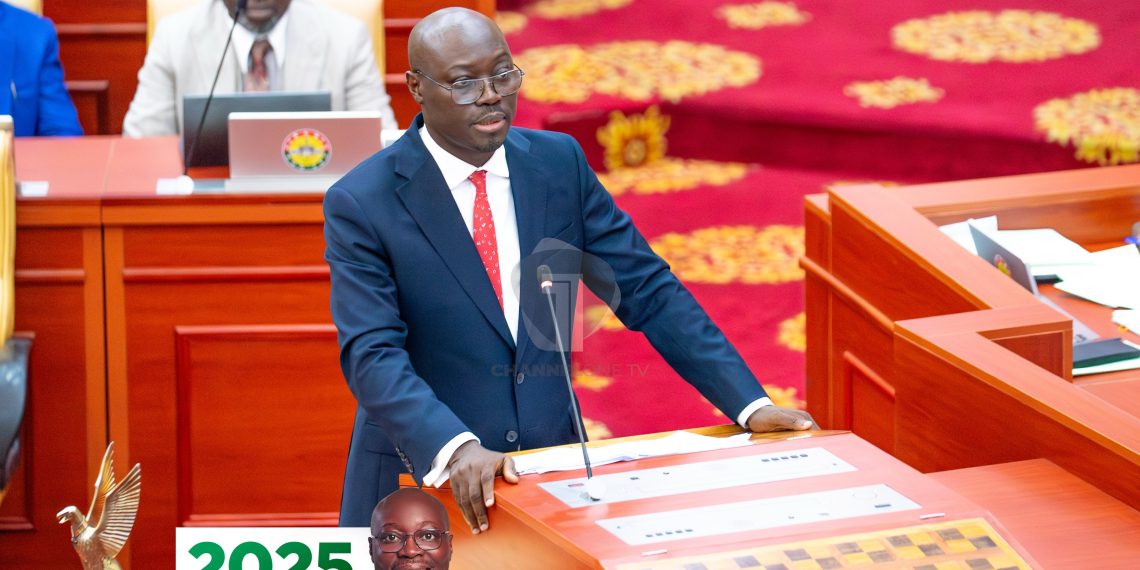
SEND GHANA has welcomed the government’s decision to incorporate citizen-driven recommendations into the 2025 national budget, describing it as a positive step toward greater transparency, inclusivity, and accountability.
The organization particularly applauded the uncapping of the National Health Insurance Levy (NHIL) and the Ghana Education Trust Fund (GETFund), which will provide additional resources for healthcare and education.
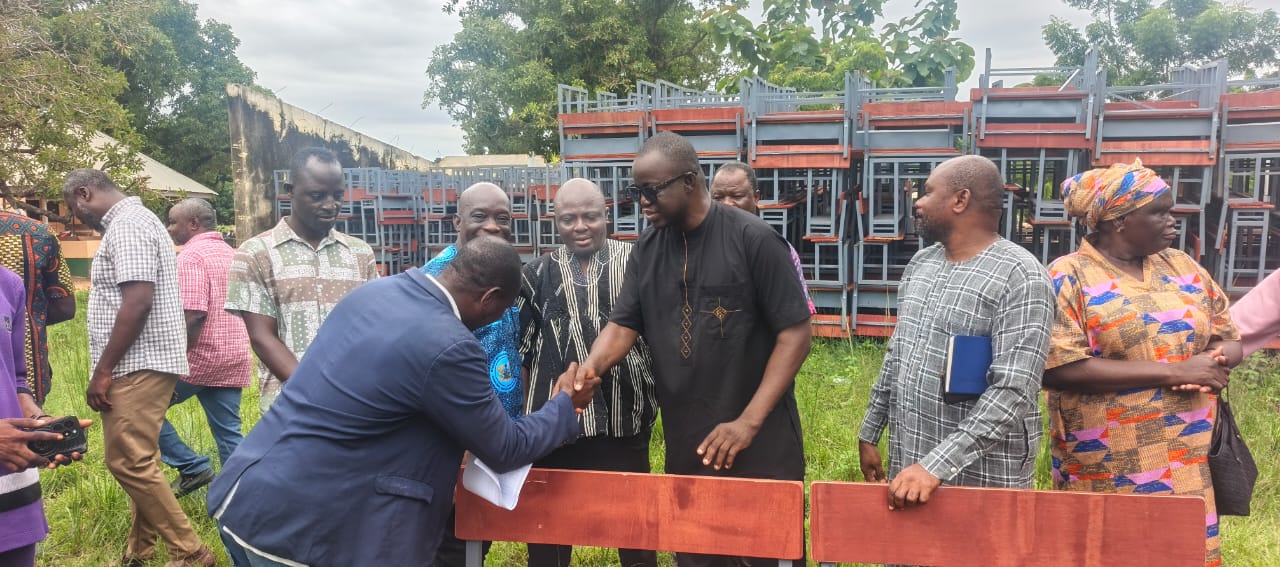
The allocation of GH¢9.93 billion to the National Health Insurance Fund (NHIF) is expected to strengthen healthcare financing and improve access to quality care, bringing Ghana closer to Universal Health Coverage. Similarly, the uncapping of GETFund will enable the government to address infrastructure deficits in secondary and tertiary education, ensuring better learning environments for students.
SEND GHANA also lauded the government’s commitment to social protection programs, particularly the Livelihood Empowerment Against Poverty (LEAP) Programme, which will increase beneficiary households from 350,000 to 400,000 by July 2025. The School Feeding Programme budget has also been raised by 30.8%, from GH¢728.8 million in 2024 to GH¢953.5 million in 2025, expanding meal coverage for schoolchildren. In a significant move to tackle menstrual inequity, the government has allocated GH¢292.4 million for free sanitary pads for female students in primary and secondary schools, a step aimed at reducing absenteeism among girls.
Despite these promising initiatives, SEND GHANA has identified several critical gaps that could hinder the effective implementation of these policies.
The organization stressed the urgent need for a full rollout of LEAP reassessments, pointing out that a lack of periodic evaluations has led to wasteful spending. According to the 2022 Auditor General’s report, improper payments amounting to GH¢396,620 were made to ineligible beneficiaries. SEND GHANA urged the government to establish clear deadlines for reassessments to prevent further financial mismanagement.
The organization also emphasized that school feeding grants must be indexed to inflation, similar to LEAP benefits, to maintain their real value. Additionally, SEND GHANA called for transparent recruitment processes for caterers, urging the government to end political patronage and ensure qualified individuals are hired to provide nutritious meals.
In the healthcare sector, SEND GHANA expressed concern over Ghana’s continued underfunding of health services. The 6.32% budget allocation for healthcare remains far below the Abuja Declaration’s 15% benchmark, raising questions about sustainability and service delivery. The report noted that 74% of the health budget is allocated to compensation, leaving limited resources for medical supplies, infrastructure, and primary healthcare services.
While the uncapping of NHIL is expected to boost domestic resource mobilization, SEND GHANA warned that the GH¢9 billion allocation to NHIF may be insufficient, given Ghana’s $16.25 million outstanding vaccine co-financing obligations. Failure to meet these financial commitments could result in delays in vaccine procurement and stockouts, jeopardizing immunization programs. The organization urged the government to increase NHIF funding and ensure the timely disbursement of NHIL proceeds.
SEND GHANA further called for a dedicated fund for epidemic preparedness, stressing that immunization alone is not enough to address public health emergencies. The organization pointed to the resurgence of new meningitis strains resistant to existing vaccines as an example of emerging threats that require research, surveillance, and emergency response funding.
In education, SEND GHANA highlighted severe infrastructure deficits, warning that over 700 junior high schools still operate under trees or in unsafe structures. While the Capitation Grant has increased from GH¢84 million to GH¢145.5 million, raising per-child allocation from GH¢10 to GH¢15, inflation has already eroded its real value. The organization urged the government to index the grant to inflation and ensure timely disbursement to prevent schools from struggling financially.
On menstrual health, SEND GHANA commended the government’s free sanitary pad initiative but emphasized that it excludes out-of-school girls and those in apprenticeships. The organization called for a complete tax exemption on all sanitary products to make them more accessible to all vulnerable groups.
Additionally, SEND GHANA criticized the drastic budget cut to the Domestic Violence Fund (DVF), which has been slashed by 87.5%, from GH¢2.7 million in 2024 to GH¢337,500 in 2025. The organization warned that this reduction severely limits support services for survivors of domestic violence, including rehabilitation, shelter, and legal aid. SEND GHANA urged the government to restore funding to ensure effective assistance for victims.
On water and sanitation, SEND GHANA advocated for local production of reusable sanitary pads as part of the menstrual health initiative. The organization also expressed concern that the government’s fight against illegal mining (galamsey) appears neglected in the 2025 budget. While the government has committed to dredging polluted rivers, SEND GHANA warned that the less than GH¢1 billion allocation to the Ministry of Water Resources, Works, and Housing may be insufficient to restore clean drinking water for affected communities.
In conclusion, while SEND GHANA acknowledged the government’s progress in healthcare, education, and social protection, it stressed that significant funding gaps and policy weaknesses must be addressed. The organization urged greater accountability, efficient resource allocation, and strategic reforms to ensure the 2025 budget delivers on its promises.
Source: channel1news