

Community leaders urged to detect harmful narratives early to prevent violent extremism
Community leaders in the Sisaala area have been urged to strengthen early identification of harmful narratives as part of efforts to prevent violence and violent extremism.
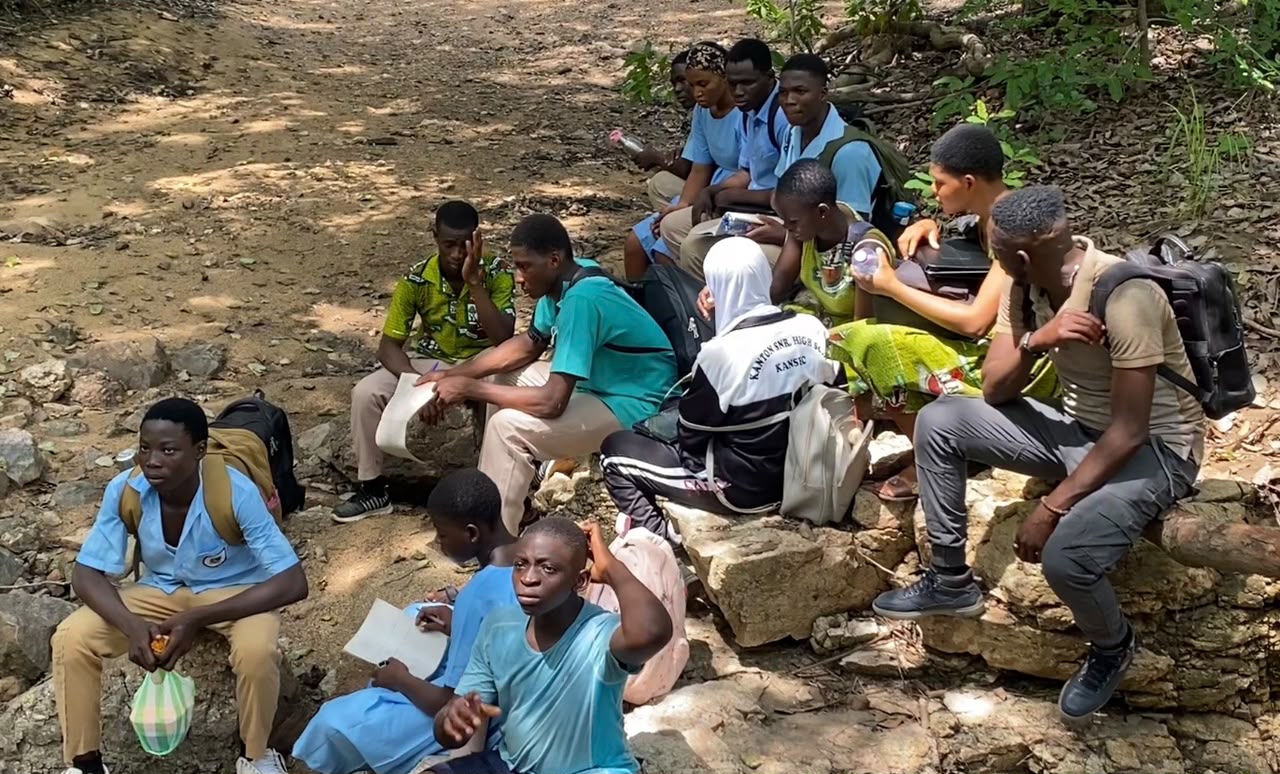
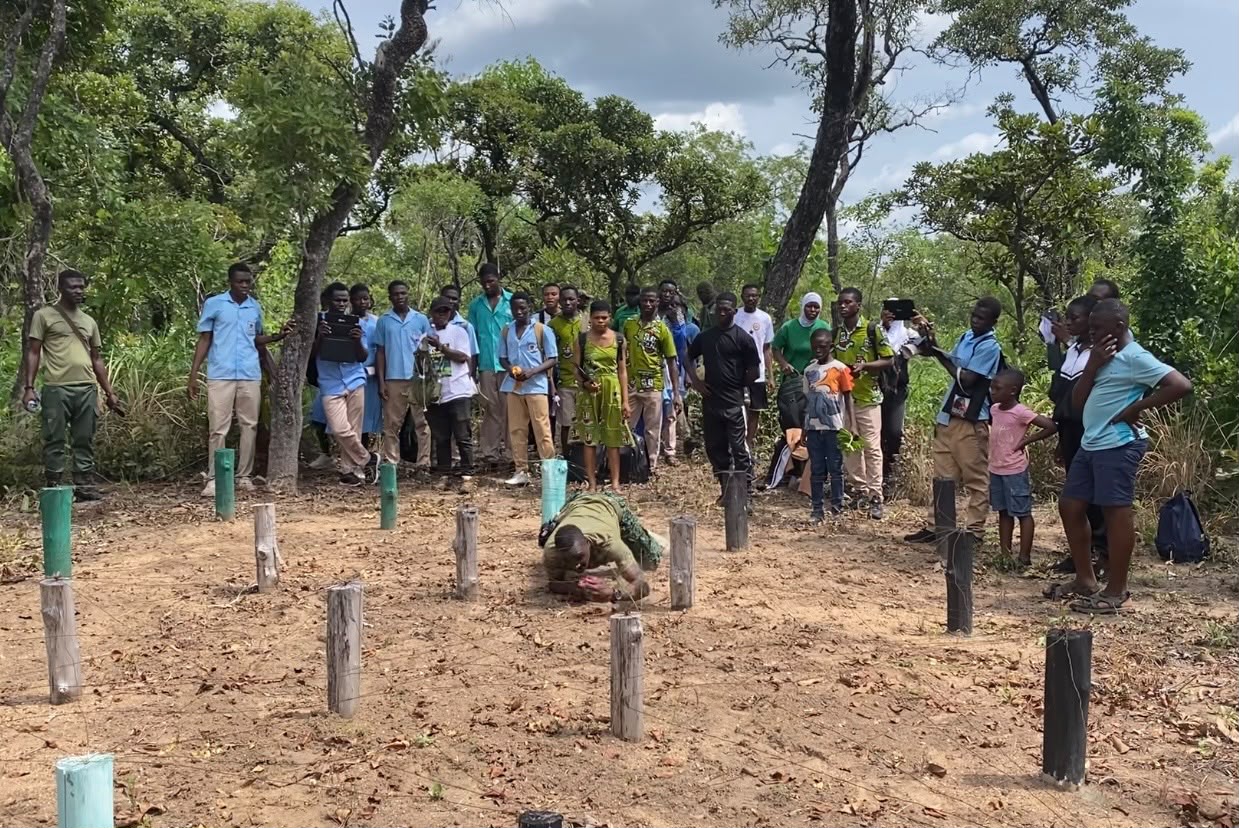
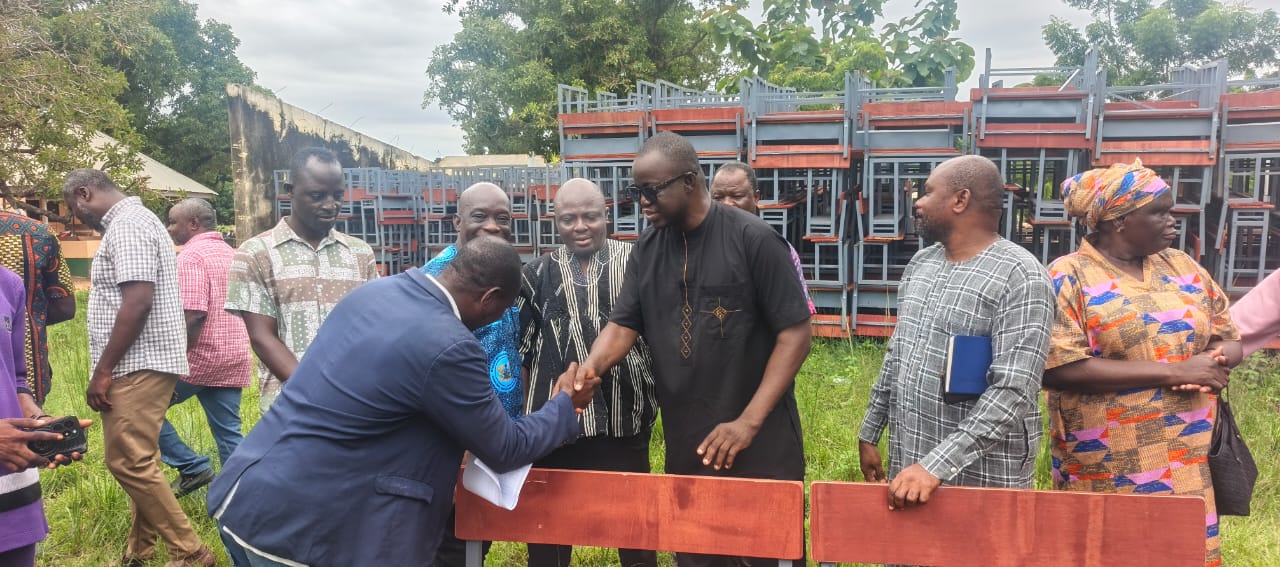
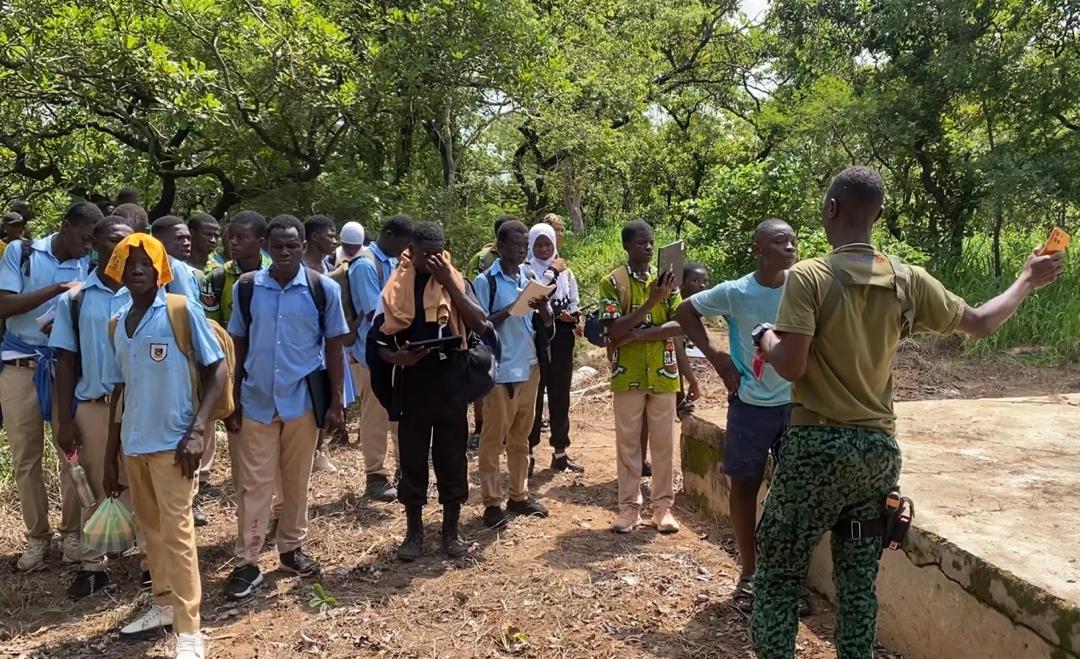
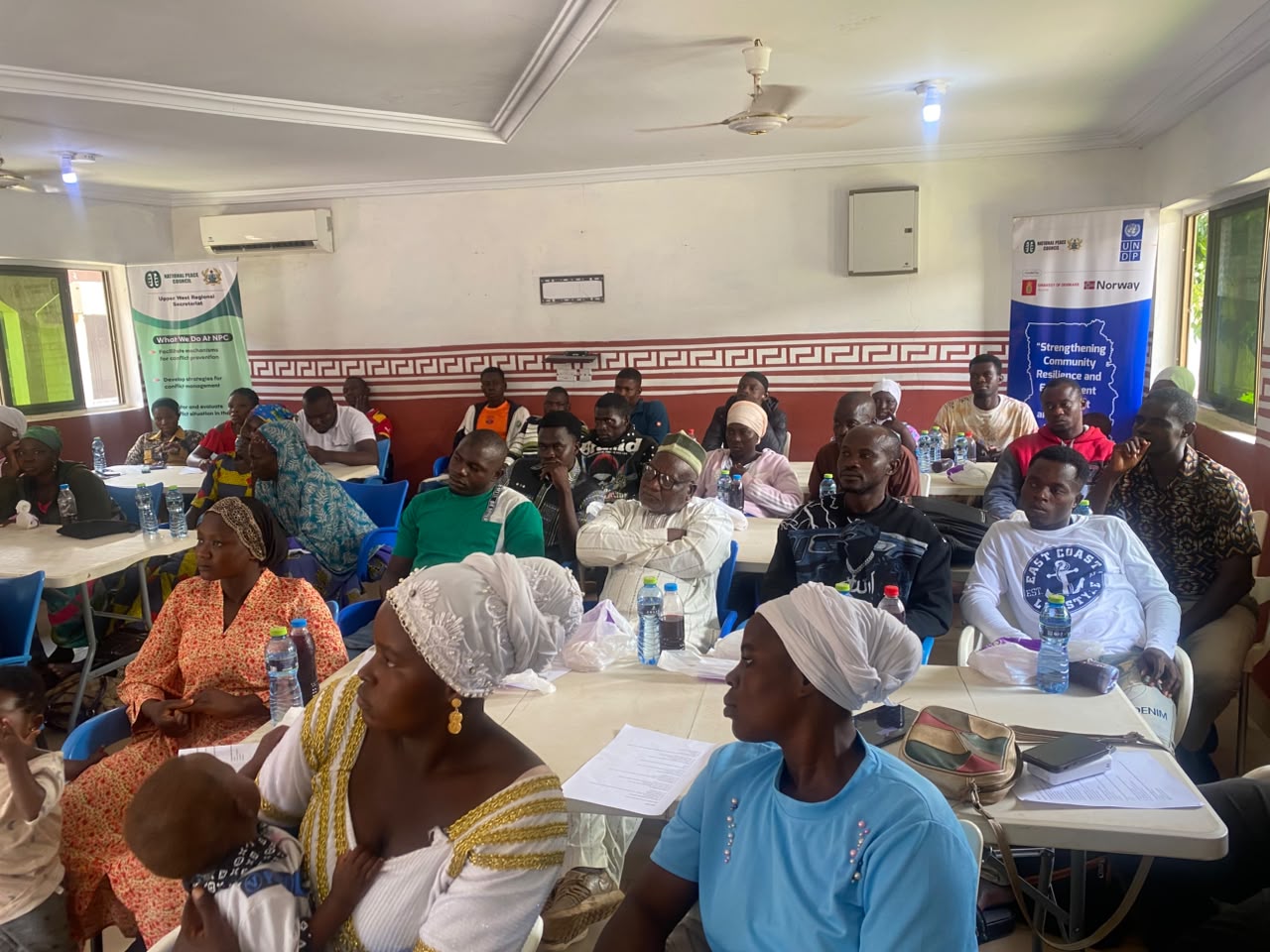
The call was made during a two-day capacity-building workshop organized by the Upper West Regional Peace Council (UWRPC) in collaboration with UNDP Ghana in Tumu, on August 12 and 13, 2026, brought together media practitioners, faith leaders, youth and women leaders from seven communities in the Sissala West, Sissala East and lambusie districts.
Professor Samuel in his two days presentation said, community leaders have an important responsibility in preventing violent extremism because they are closely connected to the communities and can help identify emerging tensions before they escalate. Participants were encouraged to strengthen their ability to scout for early warning signs, protect vulnerable groups, avoid stereotyping and promote dialogue among community members.
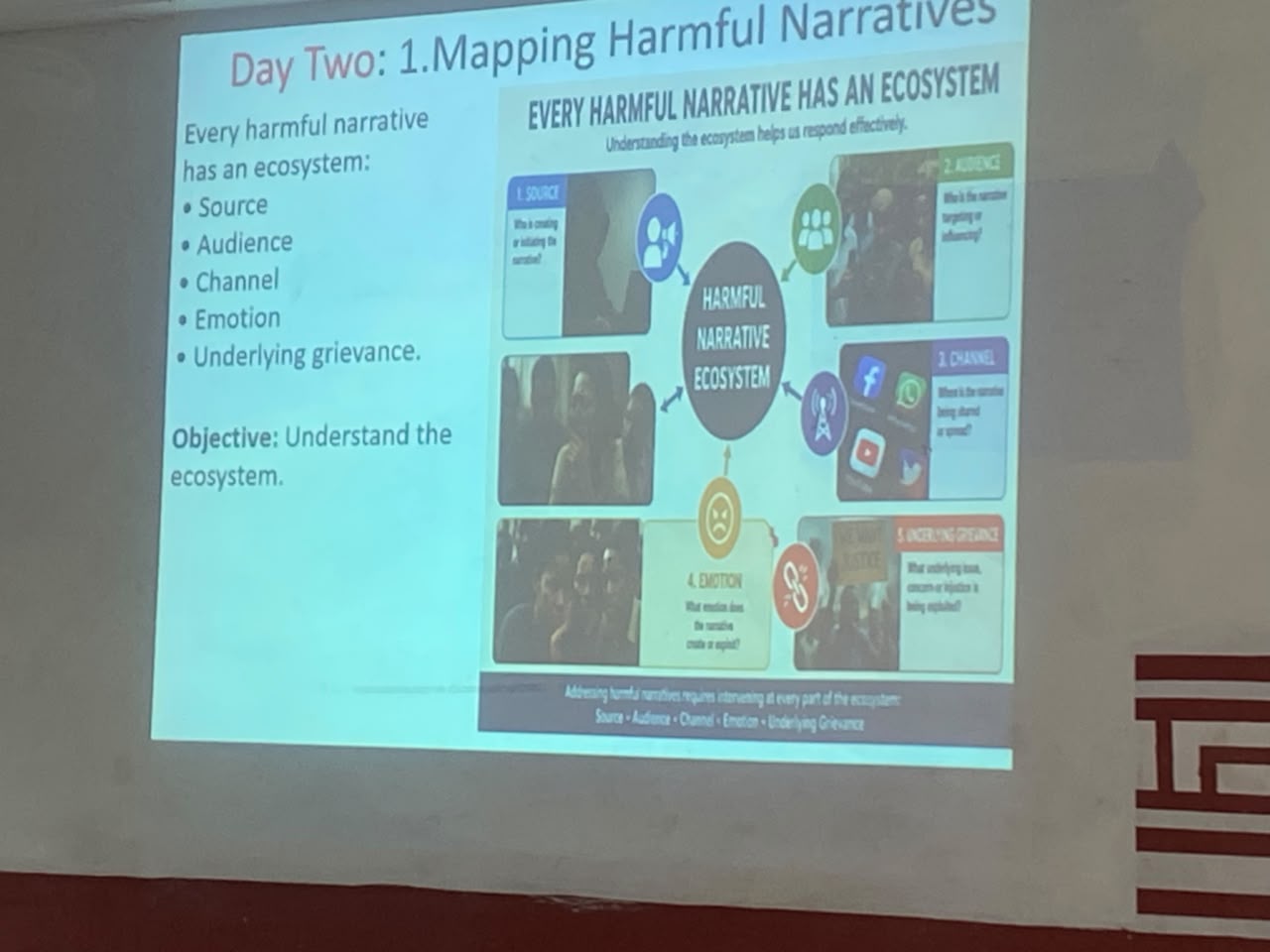
The training also examined how harmful narratives can spread through different channels and influence audiences, particularly where fear, mistrust, grievances or social divisions already exist.
Participants were taught to examine the ecosystem surrounding a harmful narrative by considering its source, intended audience, channel, function and underlying grievance.
The intervention aims to help communities become more resilient to narratives capable of fuelling division and violence.
The emphasis on locally led prevention reflects emerging scholarship on community-based approaches to violent extremism in Ghana.
Research on Ghana has similarly identified the importance of community resilience and local actors in preventing violent extremism.
For the participating communities, the training provides a framework for community leaders and media practitioners to recognize harmful narratives early and promote dialogue before tensions escalate.
By Haruna Kuri Kaayi