

Poaching Threatens Gbele Reserve’s Rich Biodiversity, Rangers Say
Persistent poaching at the Gbele Resource Reserve is threatening efforts to protect the area’s rich biodiversity, with rangers warning that illegal activities are affecting wildlife visibility within the protected area. Rangers at the reserve say Gbele is home to about 34 mammal species, more than 30 bird species and about 39 different tree species, making it an important conservation area in the Upper West Region.
The reserve, established in 1975, covers approximately 565 square kilometres and has a perimeter of 126.1 kilometres. It is located between the Sisaala East Municipality, Sisaala West District and Daffiama-Bussie-Issa District. The reserve is also home to animals including baboons, patas monkeys and antelopes, with the Rhon antelope identified as its iconic animal.
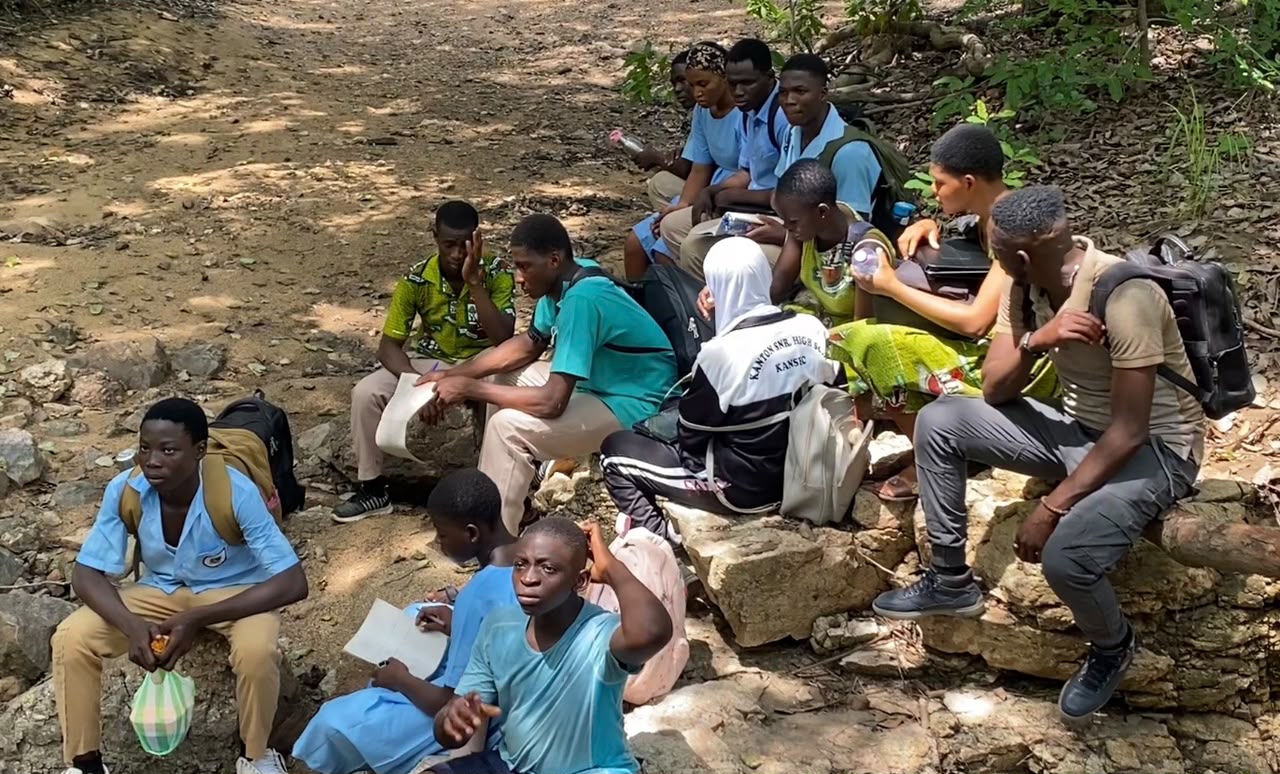
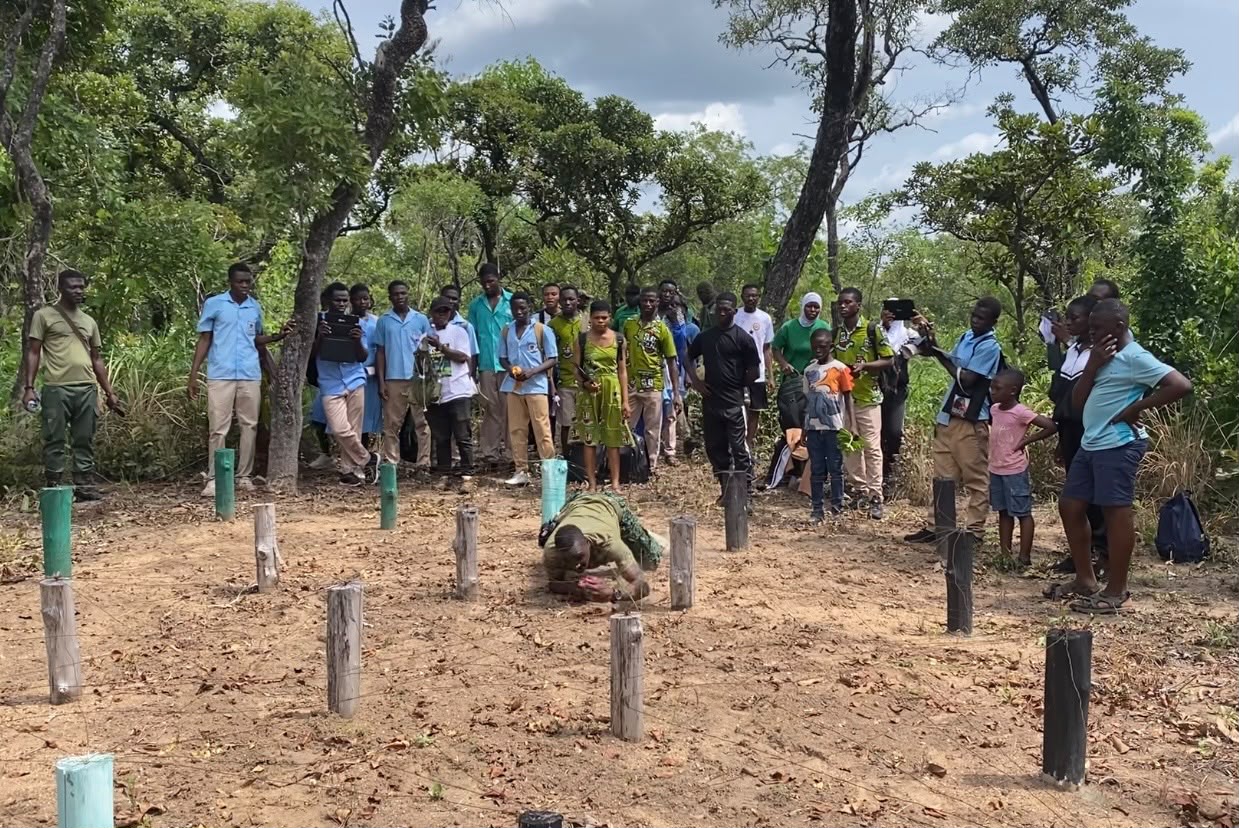
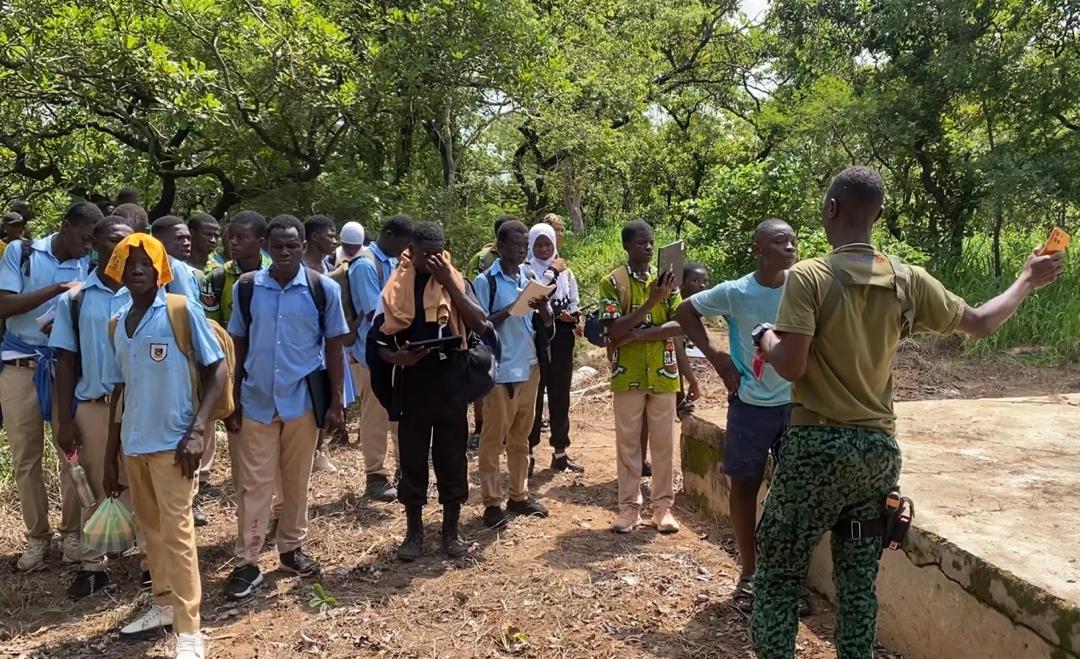
The conservation challenge came into focus during an educational visit by students from Tumu Senior High Technical School and Kanton Senior High School on Saturday, July 25, 2026. The students were introduced to tree species and aspects of wildlife conservation but did not sight some of the animals they expected to see during parts of the visit.
Mr Fatawu Ayamga Bawa, a freelance journalist, tour guide and photojournalist involved in organising the trip, said persistent poaching and human activity affect wildlife movement. He explained that animals in the reserve live freely and move in search of food, with some grass species found several kilometres away from certain areas. “We cannot cage the animals; they should be in their natural habitats. The Reserve is different from the zoo, and for that reason, a wall cannot be built around the Reserve,” Mr Bawa said. He added that the noise generated by visitors during the trip may also contributed to animals staying away from areas where the group was present.
The reserve is surrounded by 25 fringe communities and is divided by the Kwulpun River, which flows from Burkina Faso. Stakeholders believe stronger conservation measures, responsible tourism and increased public awareness will be necessary to protect Gbele’s biodiversity and preserve its tourism potential.
By Haruna Kuri Kaayi