

Sisaala communities learn to fight misinformation with peace narratives
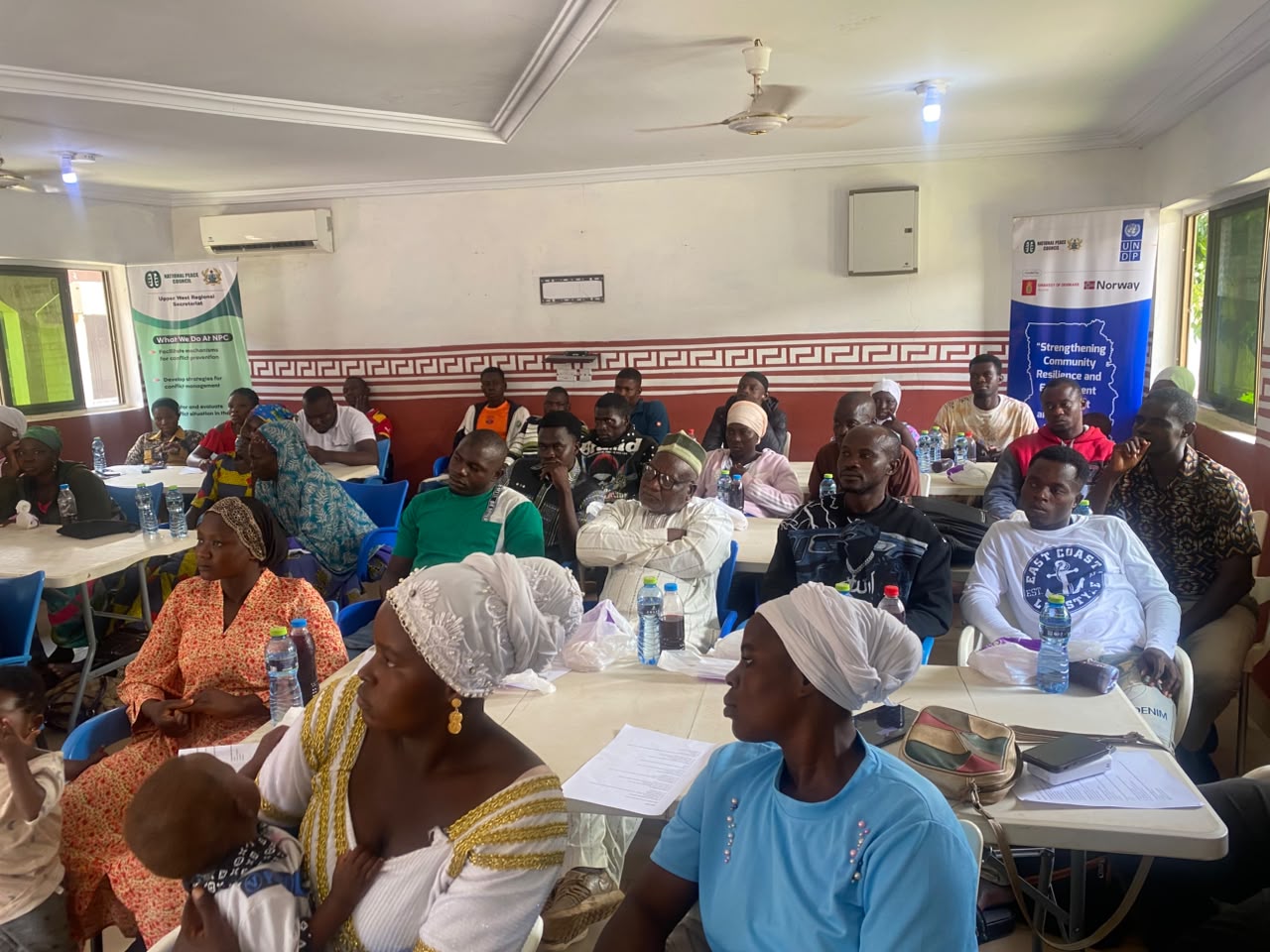
Seven communities in the Sisaala area are being equipped with tools to counter misinformation and harmful narratives as part of efforts to strengthen peace and social cohesion.
The initiative was undertaken through a two-day training organized by the Upper West Regional Peace Council (UWRPC), in collaboration with UNDP Ghana, at Saleti Guest House in Tumu from August 12 to 13, 2026. The training was funded by the Embassy of Denmark, Accra and Norwa, through the “Strengthening Community Resilience and Engagement to prevent and respond to Violent Extremism in Ghana” programme, has trained community leaders and journalists in the Sissala area to strengthen their capacity to combat misinformation, hate speech and violent extremism.
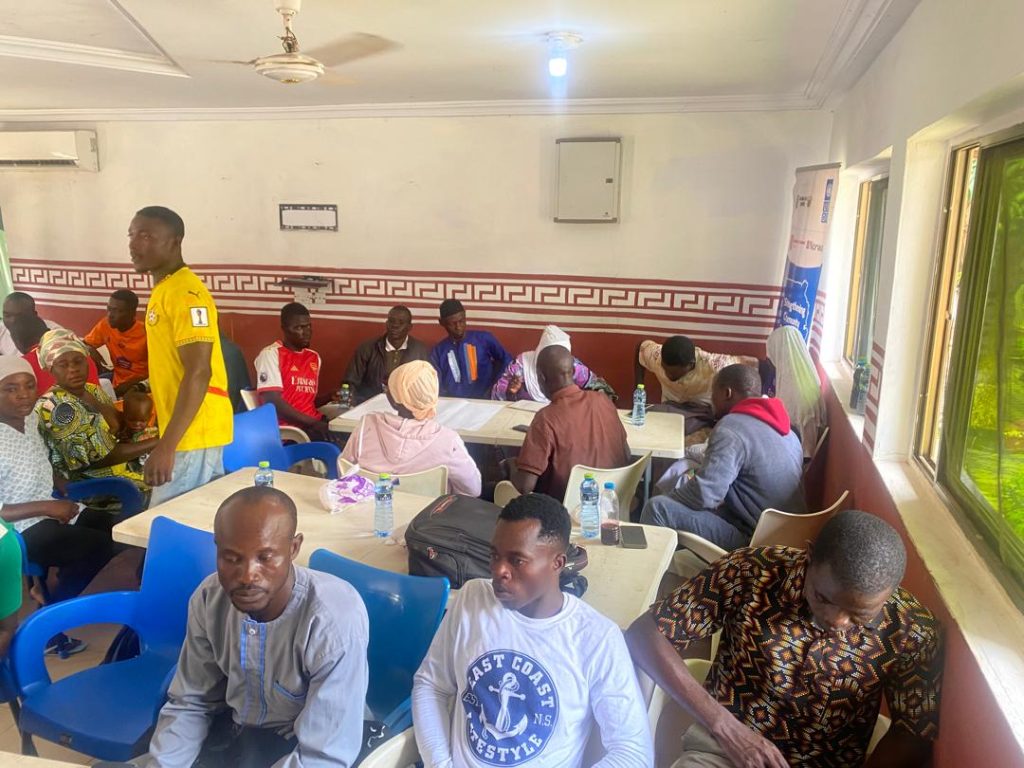
Media practitioners, faith leaders, youth and women leaders from communities in the Sissala West and Sissala East districts participated in the training.
A major focus of the workshop was the development of alternative and counter-narratives capable of promoting peace and social cohesion in response to harmful messages.
Participants were trained to distinguish misinformation, disinformation and malinformation and to identify harmful narratives early.
The training comes against the backdrop of concerns that harmful narratives can spread faster than verified information, potentially creating fear, mistrust and division within communities.
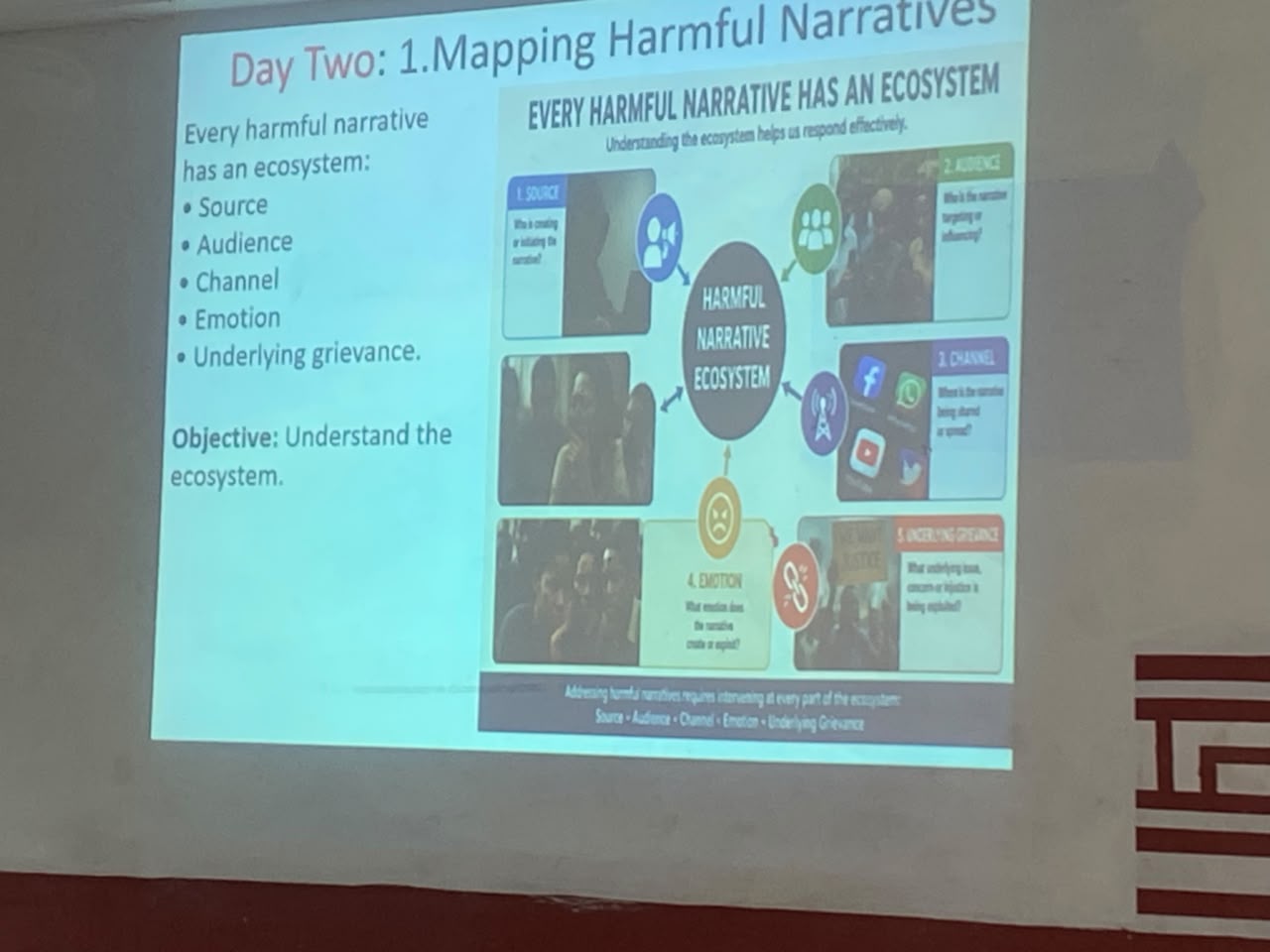
Trainers encouraged participants to look beyond the message itself by examining the ecosystem in which harmful narratives emerge. This includes identifying the source, audience, communication channel, function and underlying grievance.
The workshop also emphasized that countering harmful narratives requires more than simply rejecting false information. Community actors were encouraged to promote messages that strengthen trust, dialogue and social cohesion.
Faith leaders, youth and women leaders and media practitioners can play complementary roles in this process by communicating credible information, challenging harmful stereotypes and encouraging peaceful engagement.
The overall intervention seeks to reduce fear, strengthen trust and build resilience against hate speech, violence and violent extremism.
Research on misinformation and conflict in Ghana and Nigeria suggests that misinformation and disinformation can intersect with existing social and religious tensions, underscoring the importance of context-sensitive communication and community-level responses.
By Haruna Kuri Kaayi