

UNDP Links Kwapun Livelihood Project to Extremism Prevention, Refugee Support.
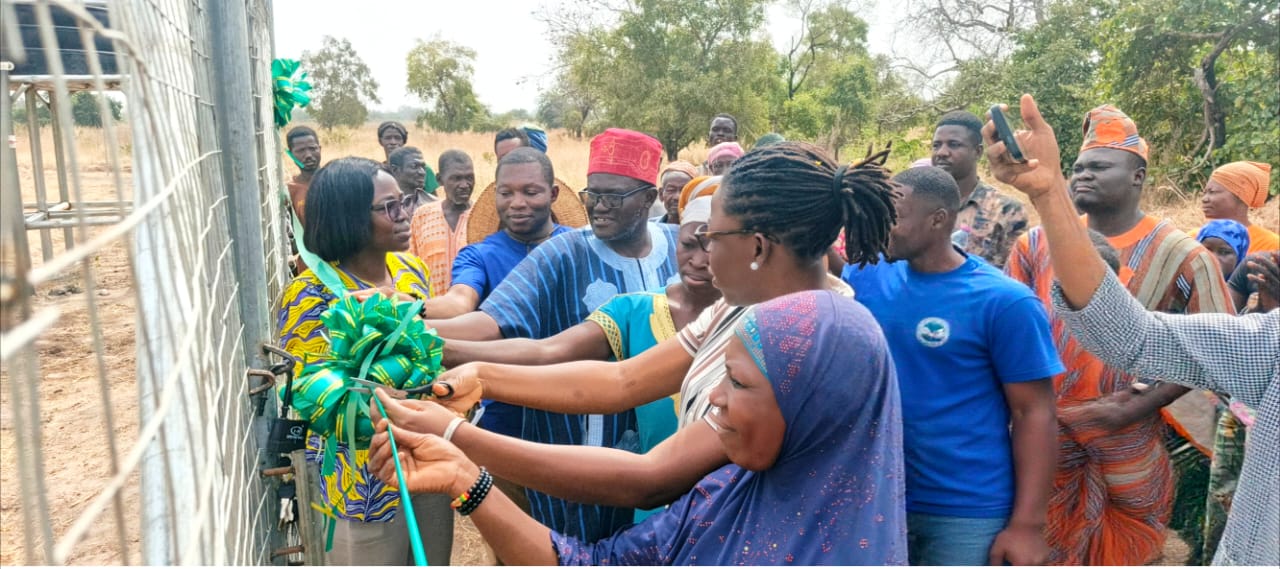
The handover of a comprehensive livelihood project, including a solar-powered mechanized borehole and fenced vegetable garden in the Kwapun community, is an outcome of earlier high-level engagements on peace and security, the United Nations Development Programme (UNDP) has revealed. The project, which supports all-year-round vegetable production for 41 vulnerable women, was planned by the UNDP, funded by the US Department of State, and successfully implemented by the Wa-based local NGO, Capacity Enhancement and Community Support Ghana (CAPECS). The community is a hard-to-reach area hosting nearly 1,000 refugees.
Delivering the key address on behalf of the UNDP, Madam Melody Azinim, a Peace and Governance Analyst, gave context to the intervention, revealing its link to broader regional goals. She explained that she had earlier met the Chief of Kwapun in a program on preventing violent extremism, during which he enumerated several challenges facing the community. “Our presence in Kwapun today is directly based on that earlier engagement,” Madam Azinim stated.
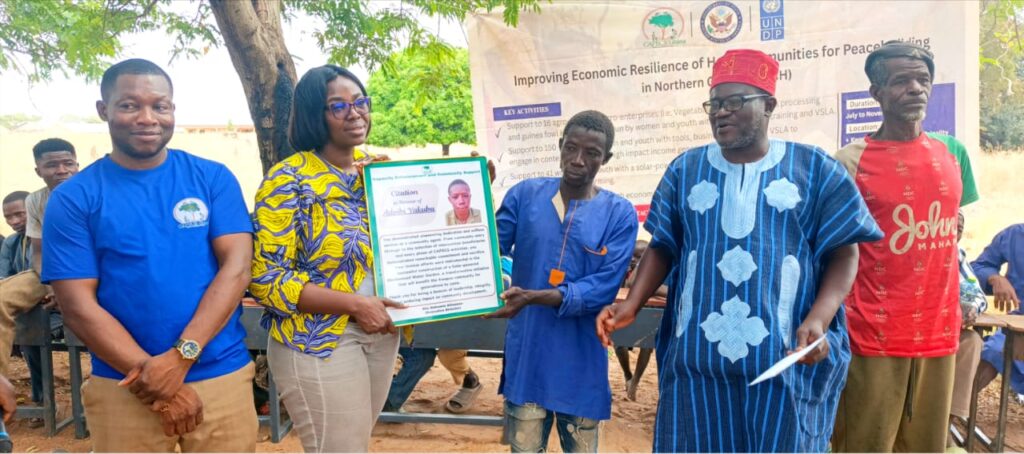
She noted that the community was selected not only due to its challenges but also because it is a host community to different nationals. She clarified that the initiative is part of a joint project being implemented in Ghana and Ivory Coast, under the thematic project titled “See Something, Say Something”. The specific intervention in Kwapun is conducted under the IERPC component and involves working closely with the International Organization for Migration (IOM).
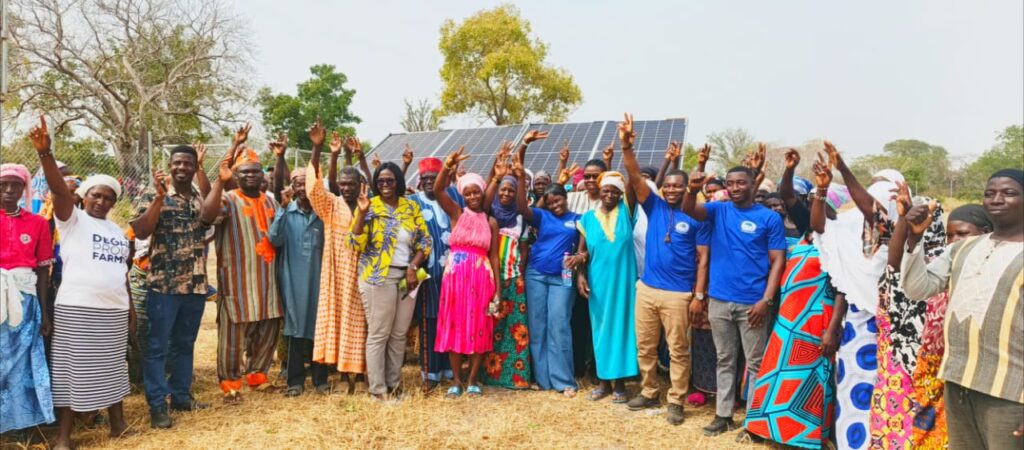
Madam Azinim listed their local partners in the Upper West Region as the Upper West Peace Council and the implementing NGO, CAPECS. Expressing satisfaction with the work done, Madam Azinim said she was happy with what she was seeing after six months of their presence in the community. She strongly stressed the need for the beneficiaries to prioritize maintenance of the projects and optimally use the startups provided without having to constantly rely on the partners for every issue. “Water is life, and this facility should be well managed,” she urged.
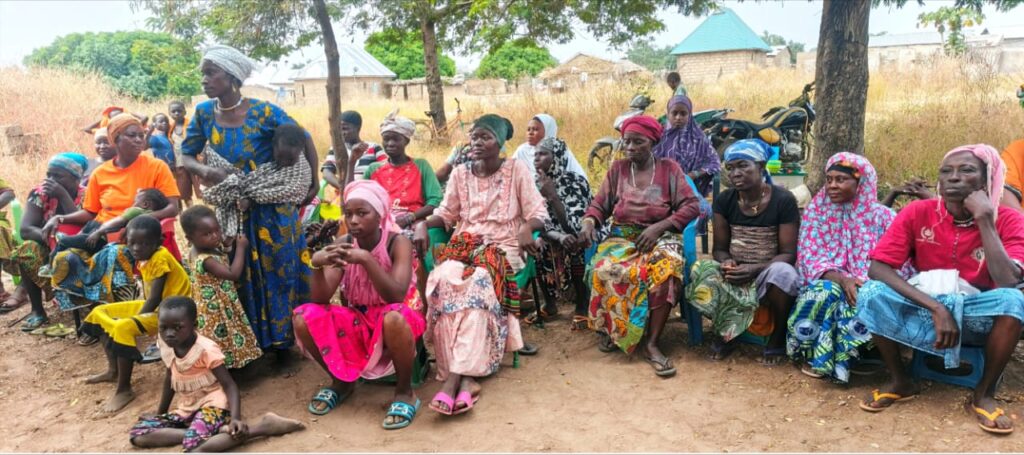
She also advised parents to take education seriously, encouraging them to invest in their children’s future, citing herself and the Chief as examples of the benefits derived from education. Madam Azinim concluded by assuring the community that the UNDP would continue to provide support when possible, noting that a similar project is being undertaken in Zini, Sissala West, which is also a host community.
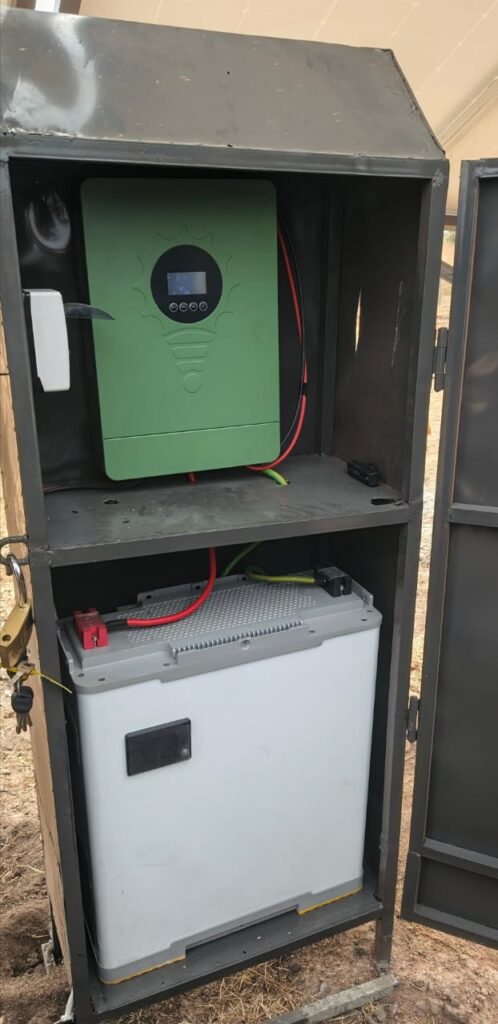
The Executive Director of CAPECS, Mr. Abu Dokuwie Alhassan, detailed the project’s scale. He confirmed that a total of 72 vulnerable people were initially selected, with 31 trained earlier in soap making and other income-generating activities. The vegetable garden project focuses on the remaining 41 women. The garden spans 4,900 square meters, subdivided into 110 square meters for each woman. The infrastructure includes a perimeter fence to prevent predators, a solar borehole, a 10,000-liter storage drum to store water, and 10 different standpipes for easy water access close to the beds.
Mr. Alhassan reiterated the importance of community sustainability, confirming the women had been organized into Village Savings and Loans Associations (VSLAs) for facility maintenance. He added, “The women will be supplied with six different high-yielding vegetable seeds and 14 effective organic liquid manure to facilitate all-year-round production.”
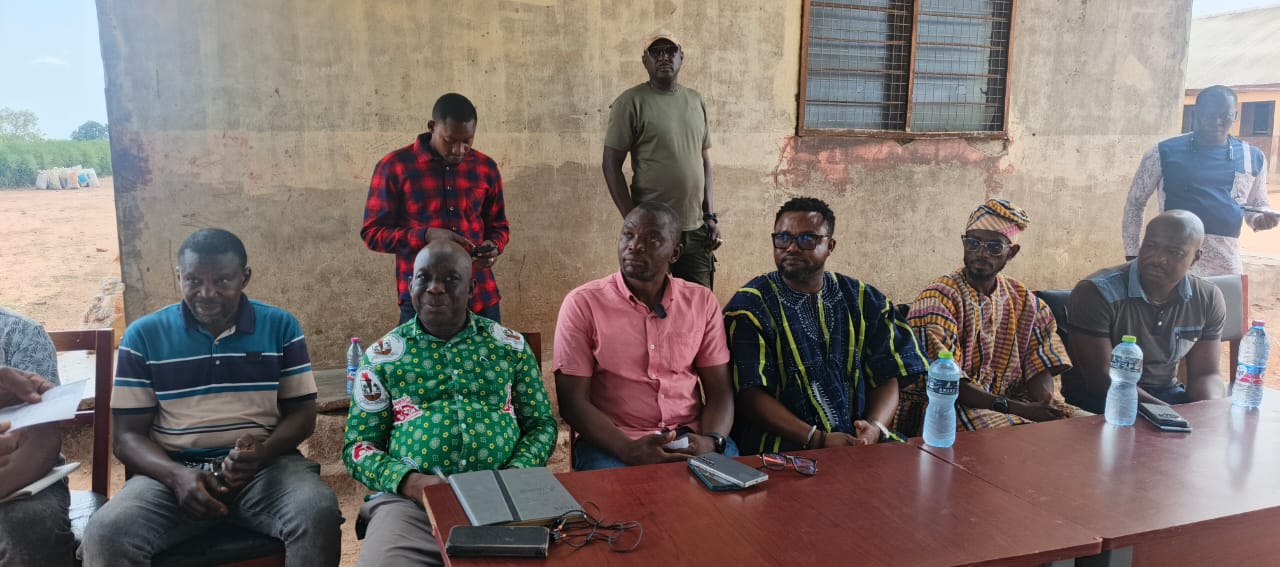
During the handover ceremony, several stakeholders were present. The Sissala East Municipal Chief Executive (MCE) was represented by Madam Hilda, the Deputy Coordinating Director at the assembly. Madam Hilda commended the partners for their vital support and gave the women a direct market assurance. “When the vegetables mature, please be sure to sell them to me,” she told the beneficiaries, assuring them of the assembly’s commitment to supporting their economic ventures.
The Municipal Agriculture Director, Mr. Salifu, was represented by Mr. Haruna Suara, who advised the beneficiaries on maximizing their yields. He urged the women to “implement all the agronomic practices they were taken through” during the project training. Mr. Theophilus Akoba, an officer from the Business Resource Center (BRC) in Tumu, was also in attendance and advised the VSLAs on crucial financial management and bookkeeping practices.
The Chief of Kwapun, Pio Kwabalugu Emmanuel Badiyiga Ali, expressed profound gratitude on behalf of the elders and the women’s groups. While thanking the partners for the life-changing intervention, the Chief used the platform to highlight other critical community needs. He cited the poor road network as a major challenge. Most emphatically, the Chief raised the alarm about the devastating effects of youth drug use in Kwapun. He made an urgent appeal to the partners and government to help address the drug crisis, stating, “I call on all partners to help us address this menace before the whole youth is consumed by these drugs.”
By Bashiru Nuhu Bapagu