




The Jijen Story: Turning Natural Resource Wealth into Lasting Change
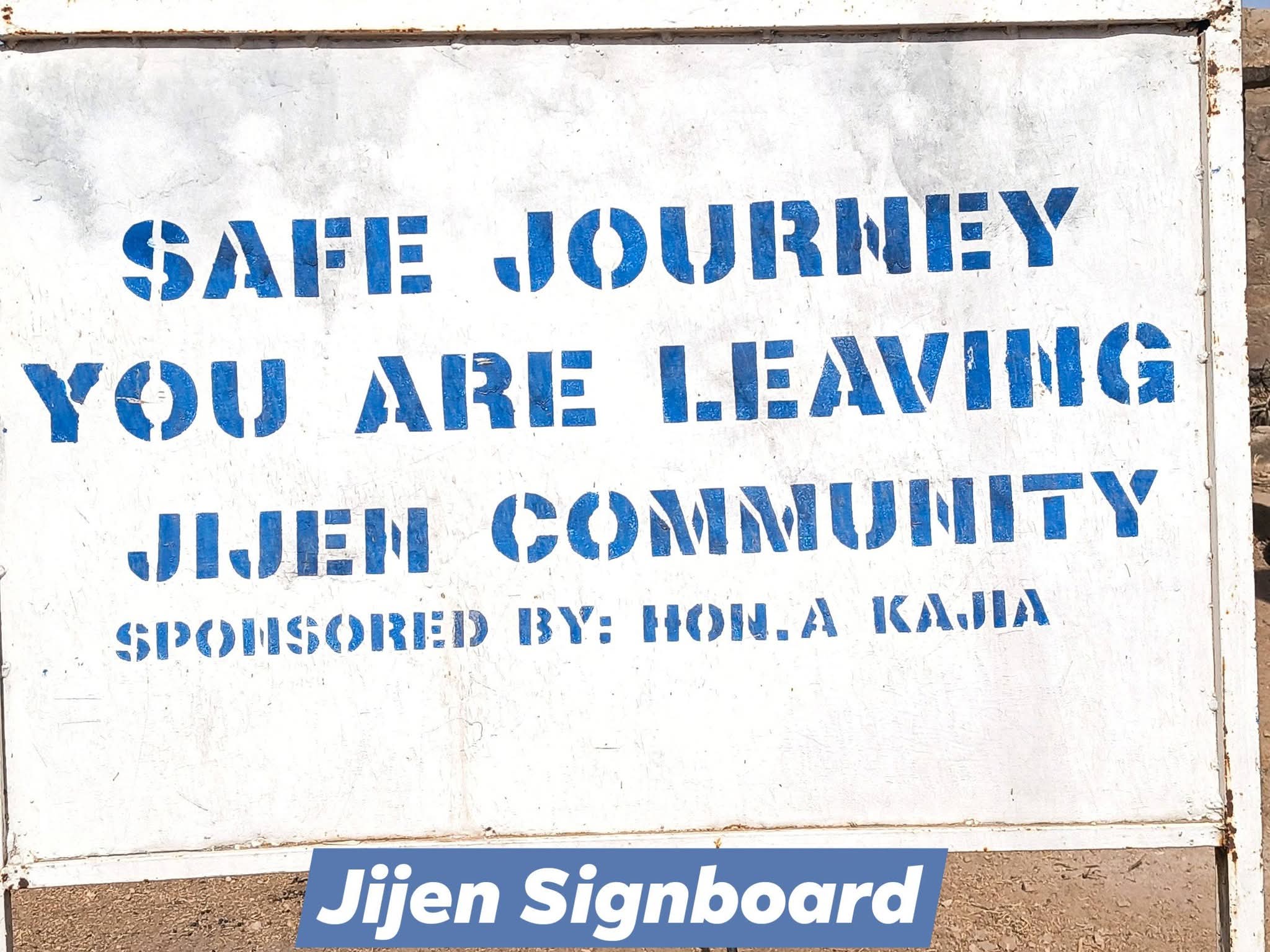
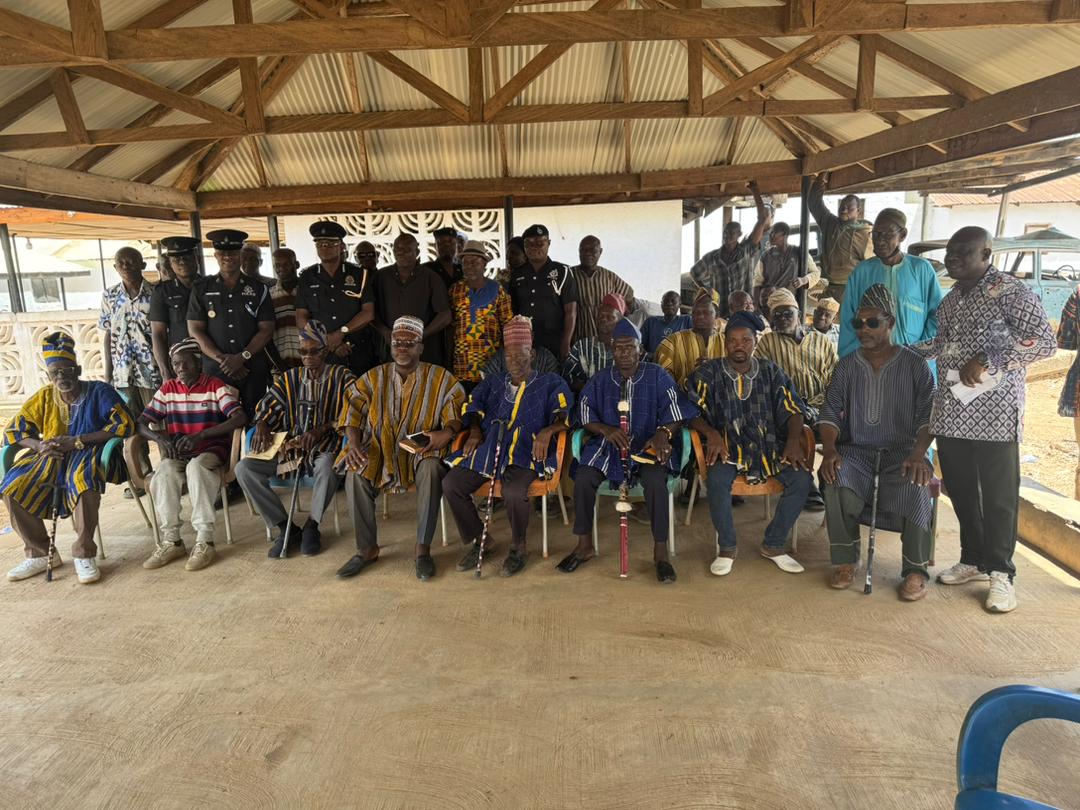
The Jijen community in the Sisaala East Municipality of the Upper West Region has emerged as a model of self-driven development, transforming natural resource proceeds into critical social infrastructure.
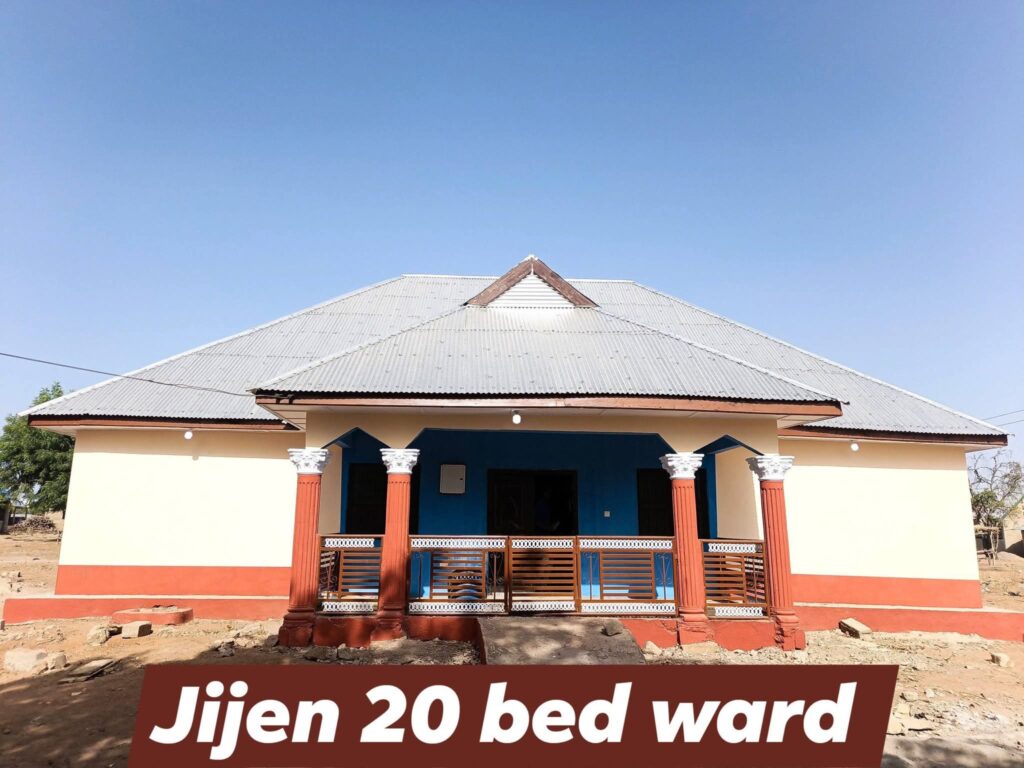
Known for its agricultural strength, the community has undertaken a number of development projects aimed at improving the welfare of its residents. These include the construction of a maternity ward and a 20-bed capacity ward to enhance healthcare delivery, as well as a three-unit classroom block and kindergarten furniture to support education.
The community has also provided six self-contained accommodation units for teachers, drilled seven boreholes—two of which have been mechanised to supply water to the school and the Community-based Health Planning and Services (CHPS) compound—and supplied cultural drums to promote learning and preserve tradition. In addition, the community has renovated its mosque and carried out other minor repairs.
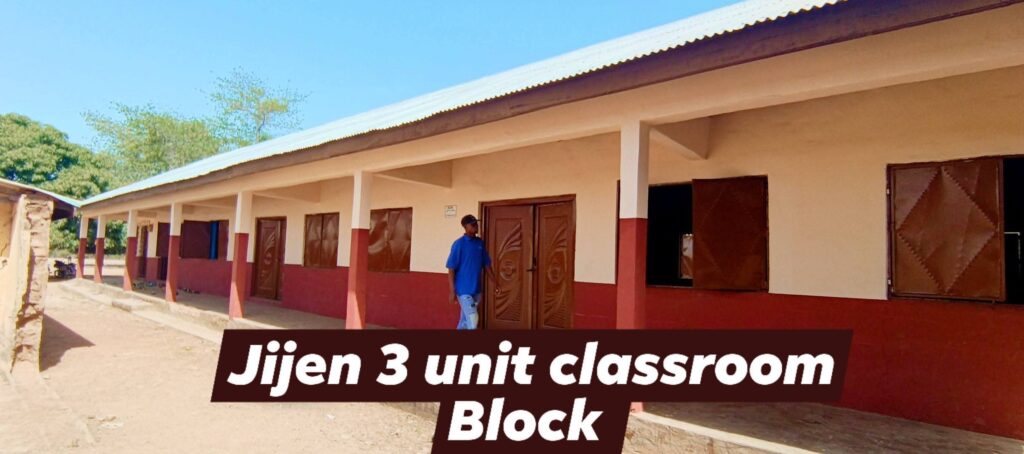
Funding for these projects came mainly from proceeds from rosewood harvesting in the area and compensation received from the Ministry of Lands and Natural Resources for the use of part of the community’s land as a reserve.Interviews conducted by the Radford news indicated that while a majority of residents supported the decision to invest the funds into long-term development, a minority expressed the view that portions of the money could have been shared among individuals.
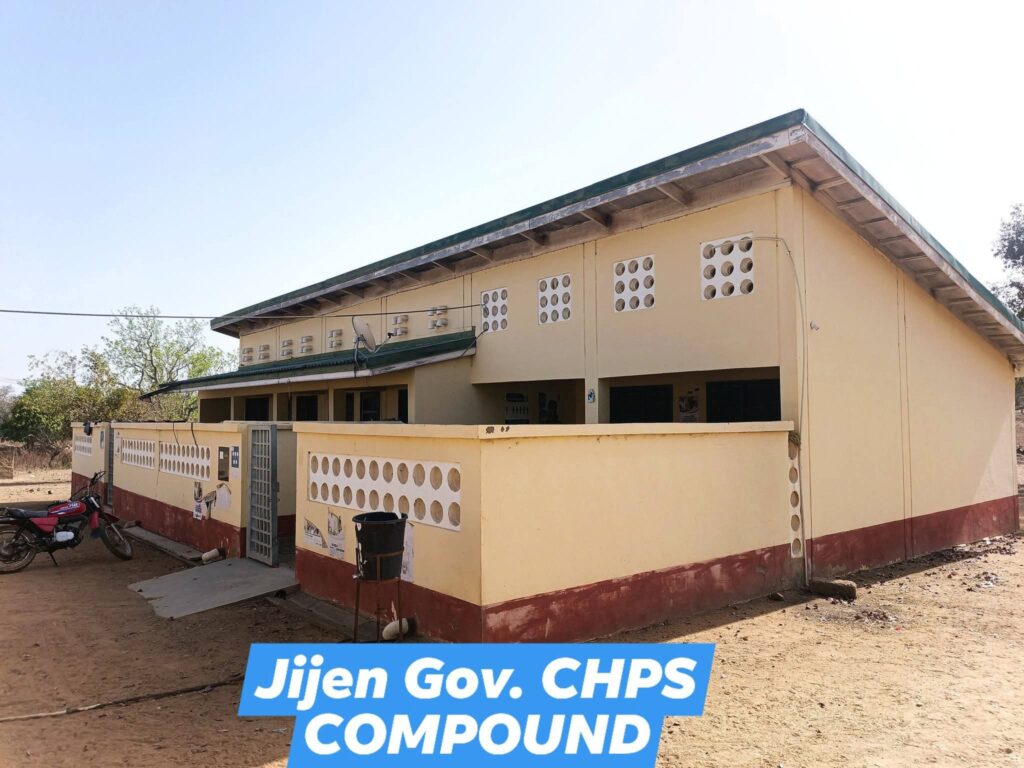
Mr. Venu and Ms. Linda, residents who spoke to Radford News, commended the leadership of the community for prioritising development, describing the projects as impactful and beneficial to future generations.
Mr. Suara Baduon, the Parent-Teacher Association (PTA) Chairman and a social activist, played a key role in mobilising community support and ensuring the successful execution of the projects.
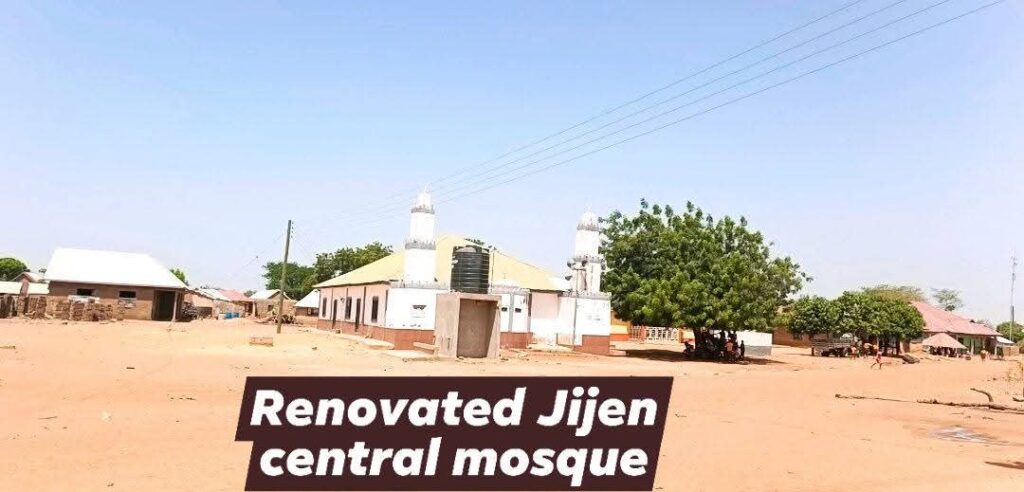
Mr. Benin Sulemani, a former Assembly Member and Secretary of the Jijen Students Union, explained that the community had to engage the Forestry Commission through a series of petitions to secure benefits from the rosewood harvested in the area.
He added that the Students Union also championed the community’s case for compensation, leading to the eventual release of funds.
According to him, a seven-member committee was constituted to oversee the prudent utilisation of the funds and ensure transparency in the implementation of the projects.
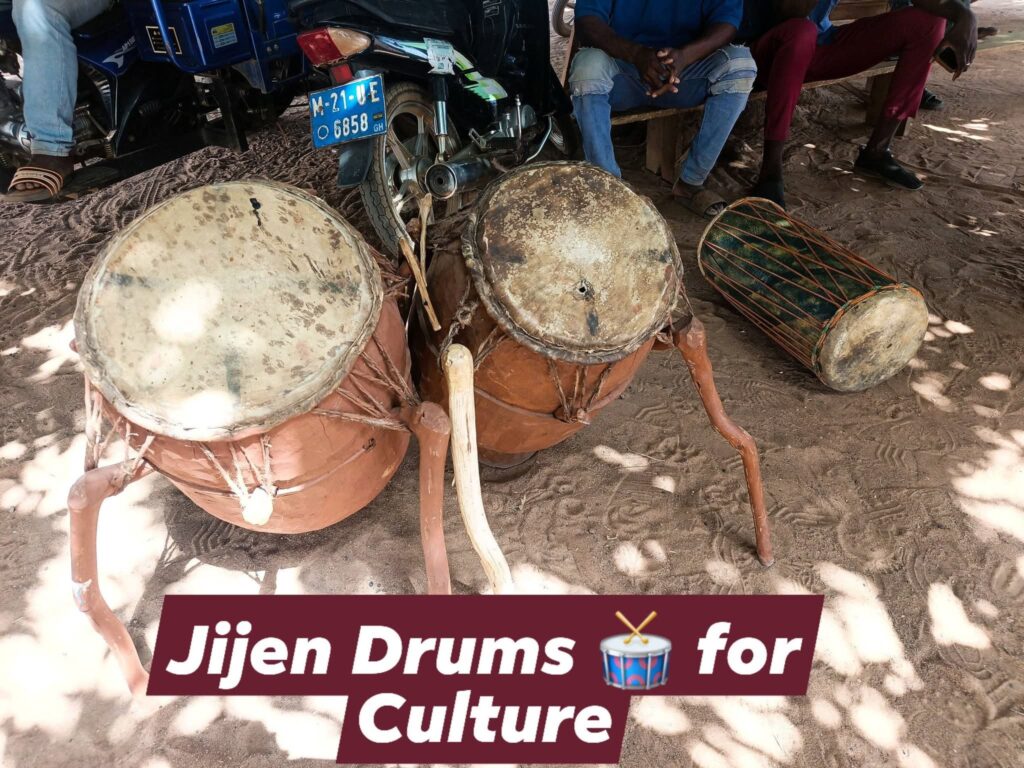
Mr. Kenneth Baah, the Municipal CHPS Coordinator, speaking on behalf of the Municipal Health Directorate, praised the community for its efforts, particularly the roles played by the Community Health Committee and the youth.
He noted that the availability of the new health infrastructure positioned the community for a possible upgrade to a health centre in the future.
The Municipal Chief Executive (MCE) for Sisaala East, Hon. Adamu Yakubu, also commended the community for its foresight and prudent use of resources.“Other communities received similar funds, but there is little to show for it.
Jijen has demonstrated that with unity and proper planning, communities can drive their own development,” he said.
He urged other communities to emulate Jijen’s example, noting that the spirit of communal labour, which used to be strong in the past, appeared to be declining as some communities increasingly relied on assemblies for development interventions.
The story of Jijen, he said, stands as a testament to what can be achieved when communities take ownership of their development priorities.
By Bashiru Nuhu Bapagu