







Journalists Cautioned Against Using Slurs Like “Side Chick” and “Slay Queen” in Reporting

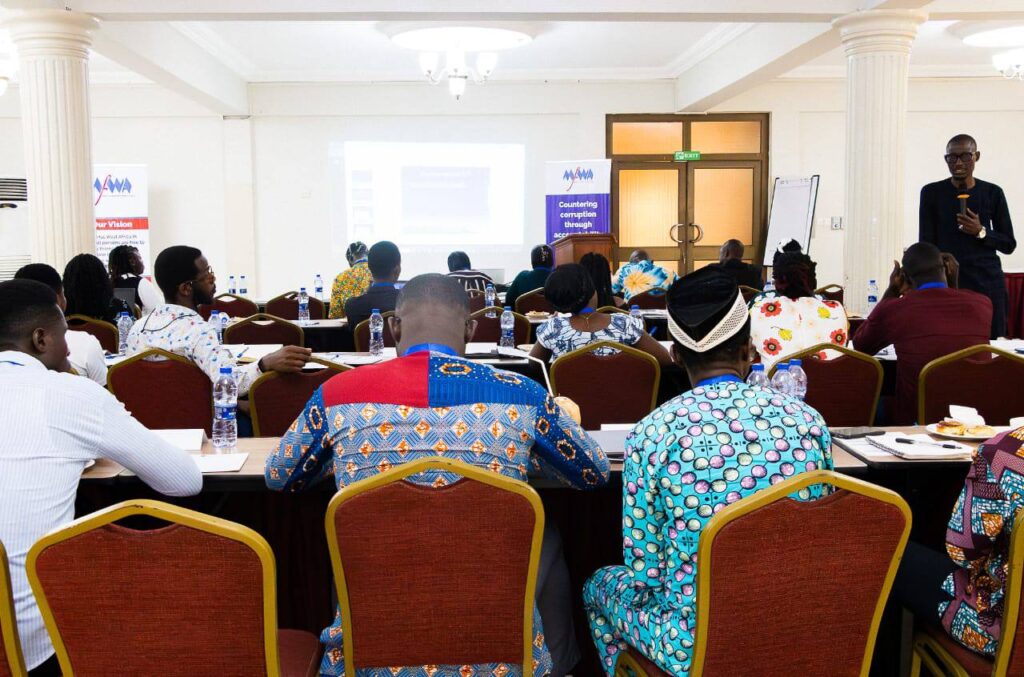
Dr. Aurelia Ayisi, a lecturer from the University of Ghana’s Communications Department, has strongly urged journalists to adopt gender-neutral and non-stereotypical language in their reporting. She stressed that this practice is essential to ensure news coverage is both balanced and fair. Her remarks were made during a three-day training workshop on RTI Usage and Gender-Sensitive Reporting, which took place at the Coconut Grove Hotel in Accra from October 20th to 23rd.

This workshop was the second in a series of three training sessions for media professionals, with Dr. Ayisi serving as the lead facilitator for the gender-sensitive reporting module.
In an interview granted after her session, Dr. Ayisi highlighted that a journalist’s word choices are vital, as they “frame the perspective that our audiences understand the stories that we are written”.
She pointed out the need for daily mindfulness in reporting, stating that “certain words reinforce certain stereotypes, whether about men or about women”. Furthermore, she explained that the language used by a journalist can directly influence what is perceived by the audience, effectively determining “what is highlighted, what is seen and what is not seen” in a news story.
Dr. Ayisi specifically cautioned against using prejudicial terms like “side chick” and “slay queen” in headlines and stories, particularly when reporting on women who are victims of exploitation by powerful men. She noted that in the socio-cultural context, these words are not positive and their use in reporting means that “you’ve already judged the victim as a slay queen, as a side chick” before the reader has even begun. She therefore called on reporters to use an “objective way” of reporting, avoiding such “stereotypical identifiers”.
During the training, Dr. Ayisi provided clarity on two distinct but often confused forms of abuse: Sextortion is primarily defined by the use of “sexual images… as a leverage to extort money from victims” (e.g., demanding money under the threat of releasing private photos). Sexual Corruption, on the other hand, is a “gendered type of corruption where the currency of bribery is sex”. This occurs when an individual in a position of power or authority exploits a subordinate or someone under their influence, demanding a sexual favor in exchange for a benefit such as a promotion, a job, or other workplace advantage.
This workshop was the second in a scheduled three-part training program. The final session is anticipated to take place in January and will focus on Data Journalism and Fact-Checking.

By: Bashiru Nuhu Bapagu/Radford Newsdesk