



Regional Police Commander visits Tumu, engages Burkina Faso Counterpart on border security
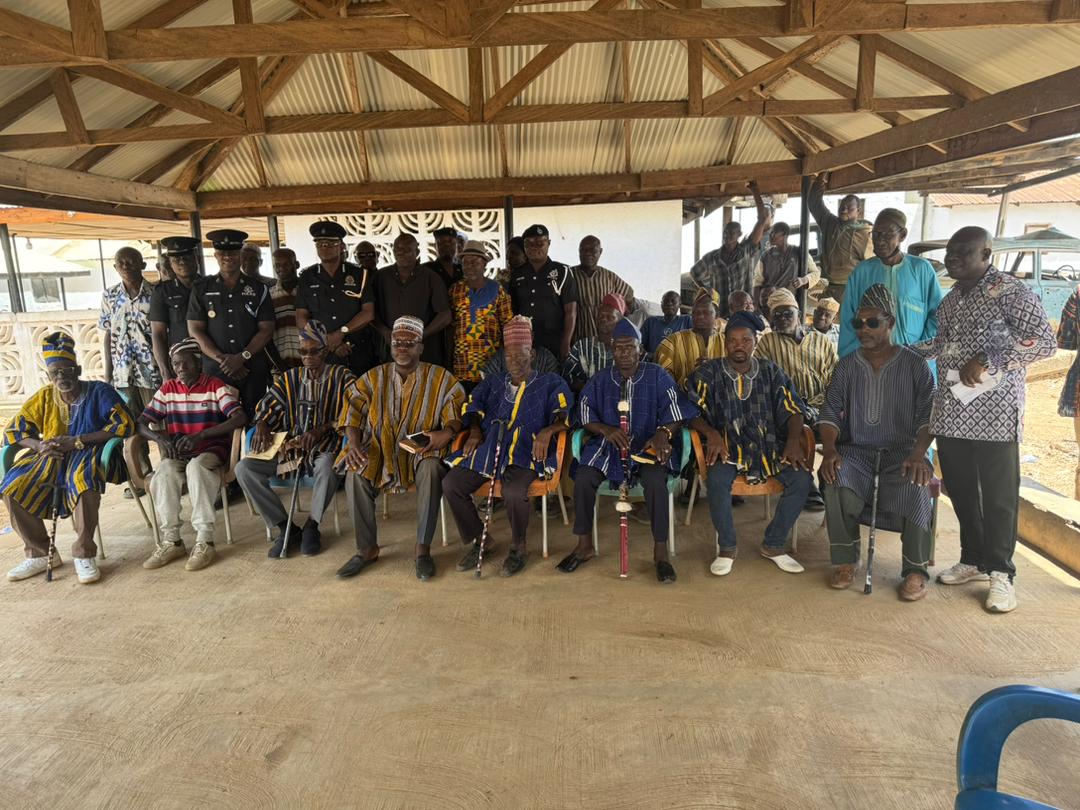
Deputy Commissioner of Police (DCOP) Francis Yiribaare, the Upper West Regional Police Commander, has paid a working visit to Tumu as part of efforts to familiarise himself with the security environment and to strengthen cross-border collaboration.
The visit took him to border communities including Wuru, with plans to engage the Leo Province Police Commander in Burkina Faso, to share intelligence and improve joint security operations.
He said integrated policing and collaboration among stakeholders remained key to ensuring law enforcement effectiveness and creating a conducive environment for economic development.
During his interaction with local authorities and police personnel, DCOP Yiribaare commended stakeholders in the municipality for their support in maintaining peace, particularly in resolving recent security concerns along the Ghana–Burkina Faso border.
He noted that the swift cooperation helped de-escalate tensions linked to a cross-border arrest incident that had initially raised alarm. The Commander also highlighted logistical and personnel challenges facing the Tumu Police, revealing that the area currently had just over 20 officers, describing the number as very inadequate for the scale of operations.
He gave an assurance that ongoing recruitment within the Ghana Police Service would help address the shortfall, while efforts were underway to reallocate motorbikes and other resources to boost patrol mobility.
He further underscored the importance of strengthening community policing structures, including neighbourhood watch committees, to complement the work of the police, especially in hard-to-reach areas.
DCOP Yiribaare encouraged local leadership to play an active role in supporting security initiatives, noting that accommodation and logistics support would be critical as new officers are deployed.
Touching on crime trends, the Regional Commander disclosed that the Upper West Region recorded 26 highway robbery cases in 2025, with three occurring within the Sissala East municipality, which sounds refreshing, and assured of working to reduce it. He noted that successful investigations led to arrests and convictions, with some offenders receiving prison sentences of up to 10 years.
At the Tumu traditional council, he indicated that some 26 Indian nationals who were found to be selling unclassified drugs in Sissala East, were swiftly put before the court and referred to the Immigration service for further action.
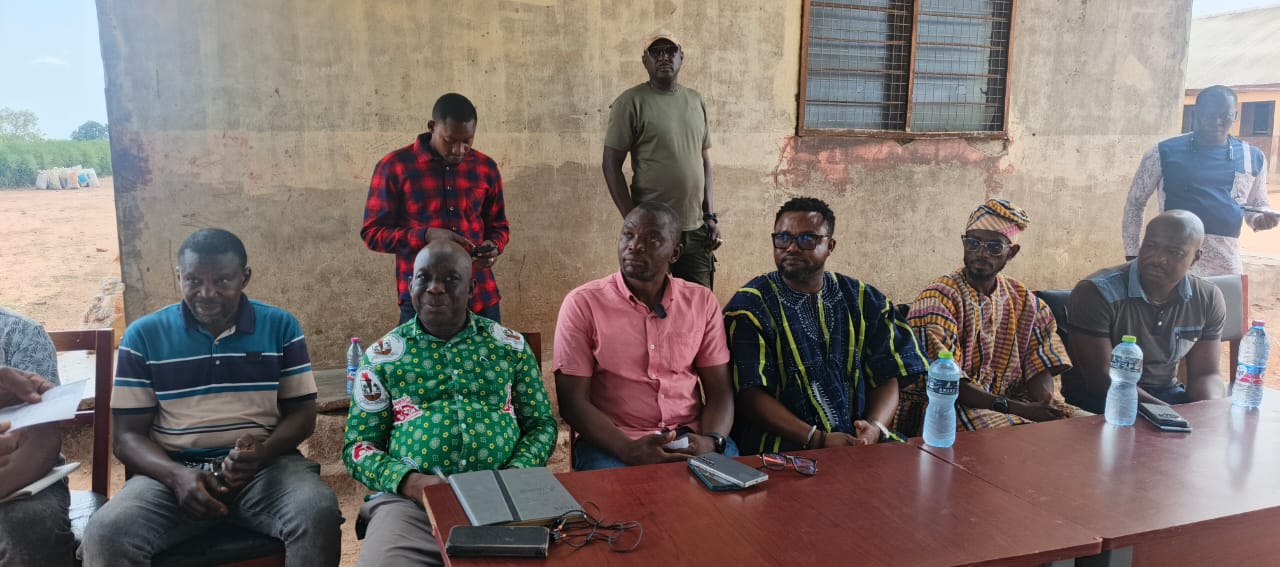
Mr Adamu Benin Yakubu, the Sissala East Municipal Chief Executive (MCE), said the visit was a valuable opportunity for reflection, coordination, and strategic planning to strengthen security in the municipality.
He noted that collaboration, mutual learning, and strong community engagement remained key to ensuring that Sissala East continued to be a safe and welcoming place for all residents.
Mr Yakubu appealed for institutional support to address critical challenges affecting justice delivery, particularly the absence of a resident magistrate, which had forced many cases to be transferred elsewhere. He assured that the Assembly was ready to provide accommodation and office space for any judge posted to the area.
The MCE also highlighted ongoing efforts to improve police infrastructure, including plans to connect the Nebulo Police Station to electricity and water, and urged continued partnership to strengthen policing and governance in the municipality.
Kuoro Humphrey Bonkpal Tordia, the Divisional Chief of Pieng, commended the service for working to reduce crime in the area. He appealed to the Police administration to use motivation to attract personnel to accept posting to the area, which was already short of officers. He urged the officers to collaborate with them to fight the drug menace currently afflicting the youth.
By Mohammed Salia Balu