

Religious Leaders Unite in Tumu to Promote Peace and Reject Violent Extremism
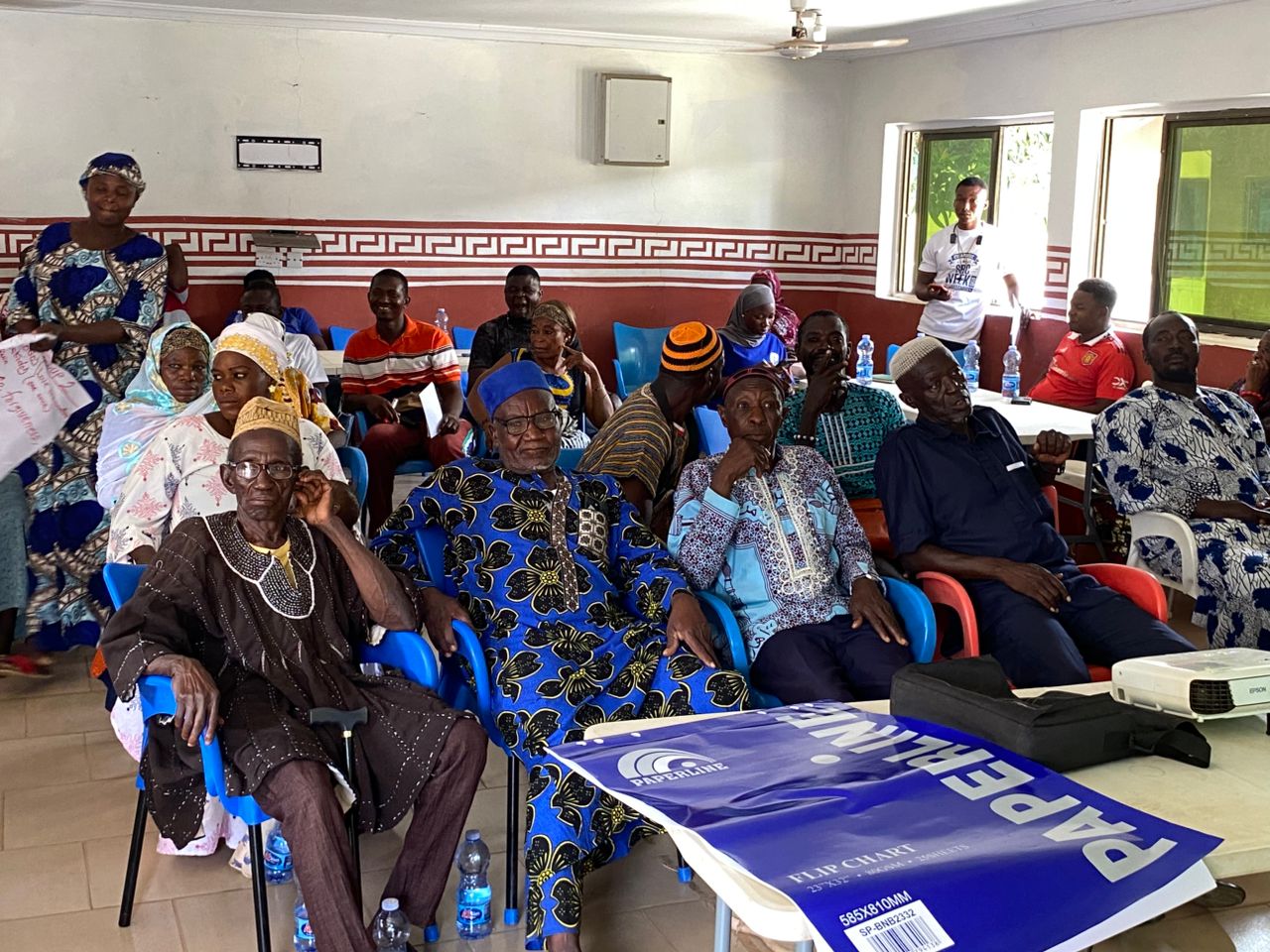
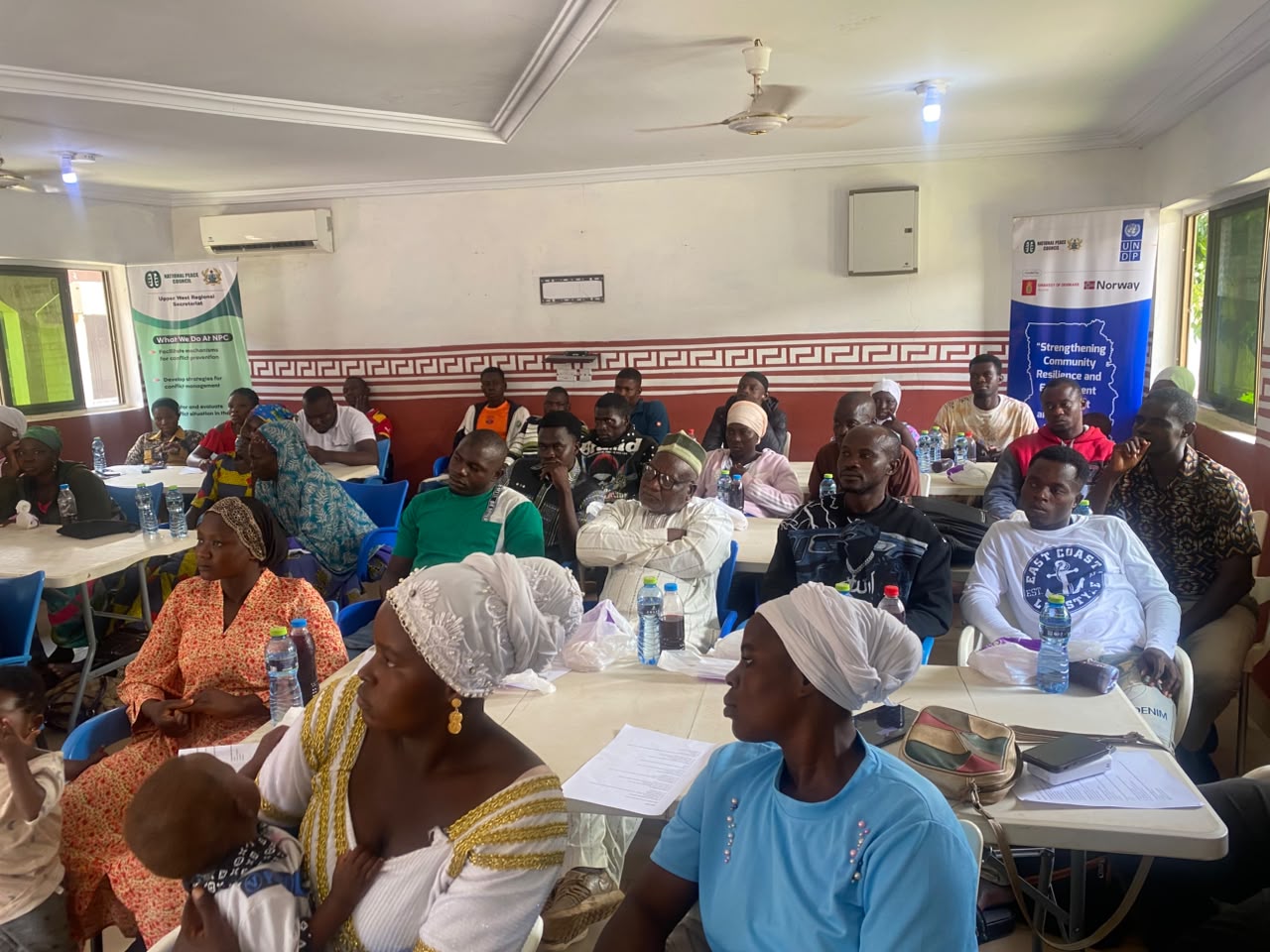
The Upper West Regional Office of the National Peace Council has intensified efforts to promote peaceful coexistence by organizing a community outreach programme on faith-based messaging and interfaith dialogue in the Sissala East Municipality.

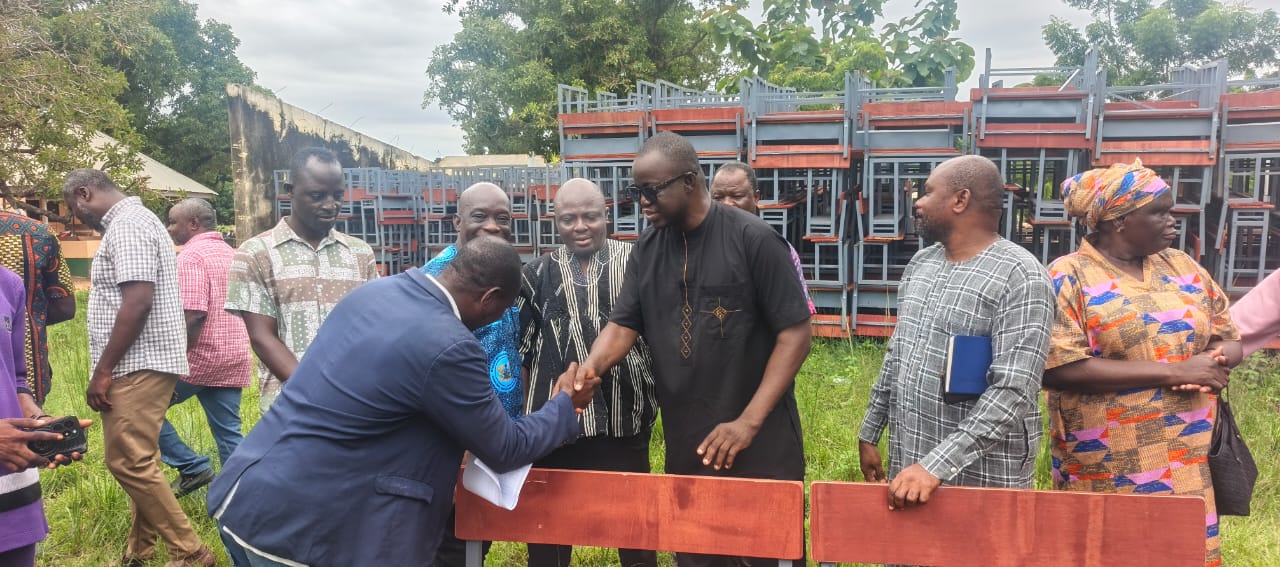
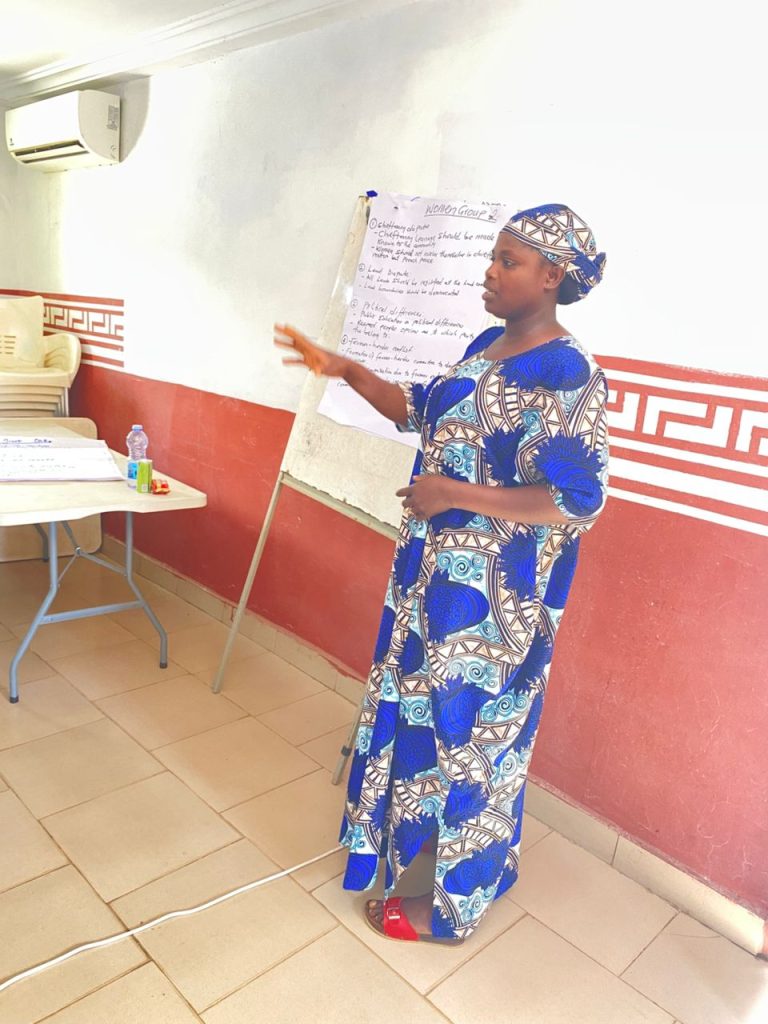
The event, held on May 30, 2026, at the Saleti Conference Hall in Tumu, brought together a cross-section of the community, including chiefs, religious leaders, women and youth groups, and other community members. The programme aimed to strengthen collaboration among different faiths in preventing violent extremism and fostering lasting peace.
Addressing participants, the Assistant Parish Priest of the Catholic Church in Tumu, Rev. Fr. Bondi Godfrey, stressed that no religion endorses violence or extremism. He noted that every religion upholds the sanctity of human life and does not grant anyone the authority to take another person’s life.

Echoing similar sentiments, Maulvi Isshaque Yatubu of the Ahmadiyya Muslim Mission, Tumu Zone, described religion as a powerful tool for peaceful communication and understanding. He said both Christianity and Islam preach peace, adding that violent extremism has no place in any genuine religious teaching.
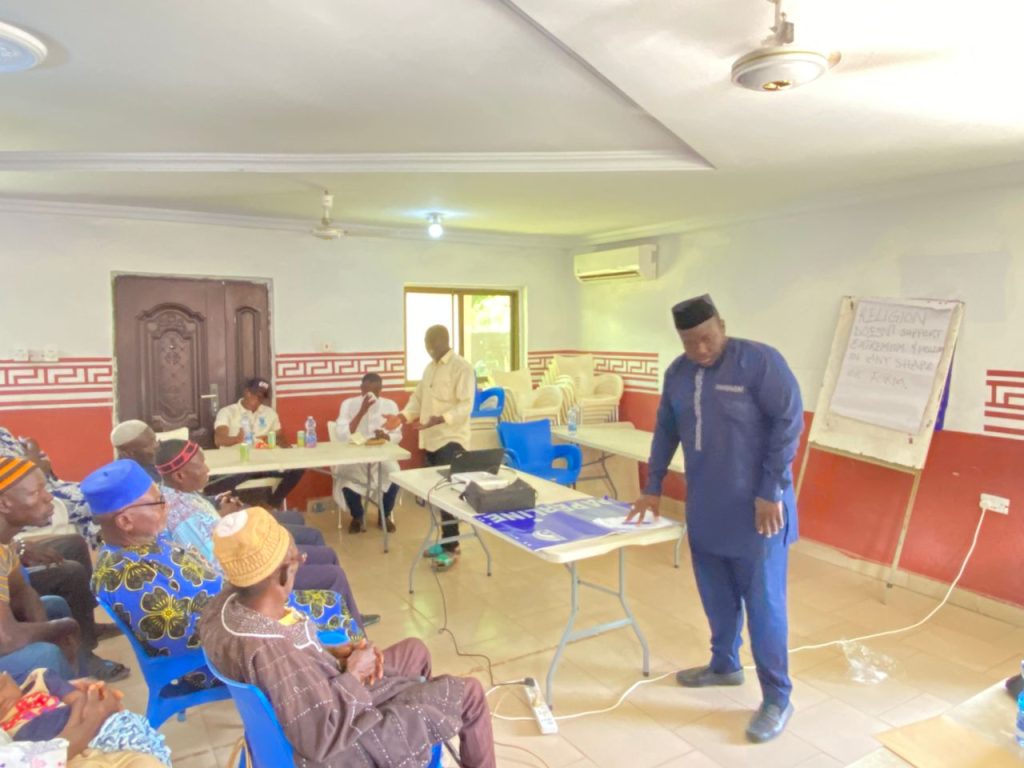
He further explained that all faiths, including traditional religion, play an important role in building peaceful communities by teaching truthfulness, justice, and responsible living.
Speaking on behalf of the Upper West Regional Peace Council, Prof. Samuel Marfo said the outreach specifically targeted religious leaders, women, and the youth because of the influential roles they play in preventing, managing, and resolving conflicts within their communities.
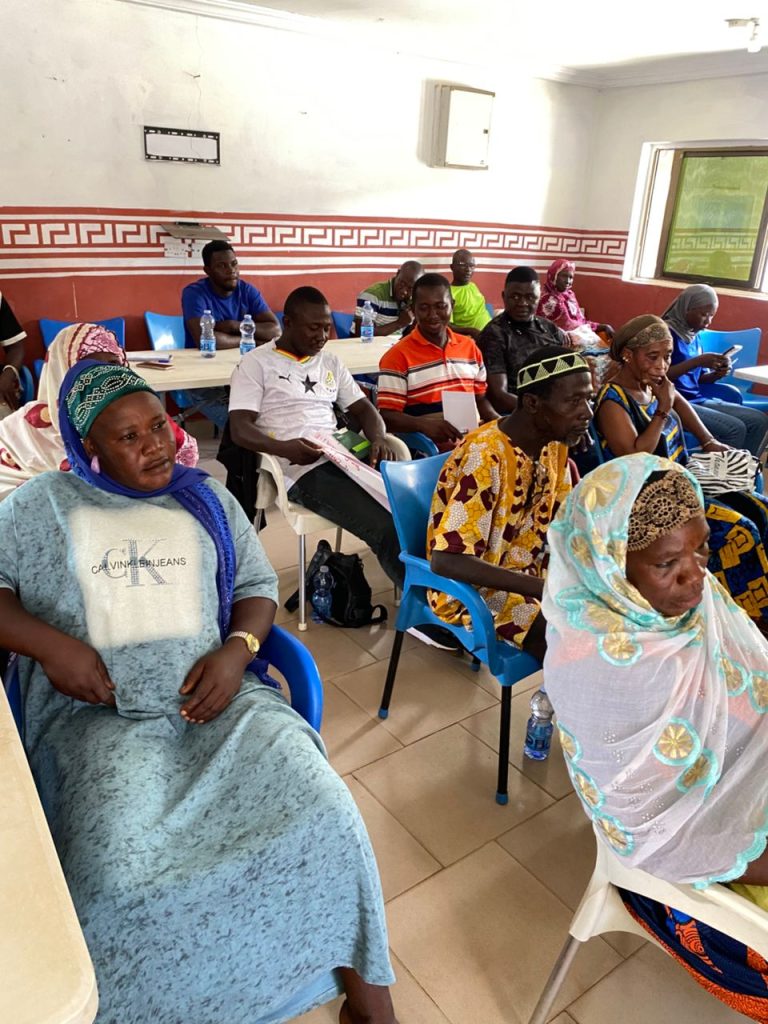
According to him, the initiative is being implemented by the National Peace Council in partnership with the United Nations Development Programme (UNDP) and the Government of Ghana to encourage dialogue and strengthen community resilience against violent extremism.
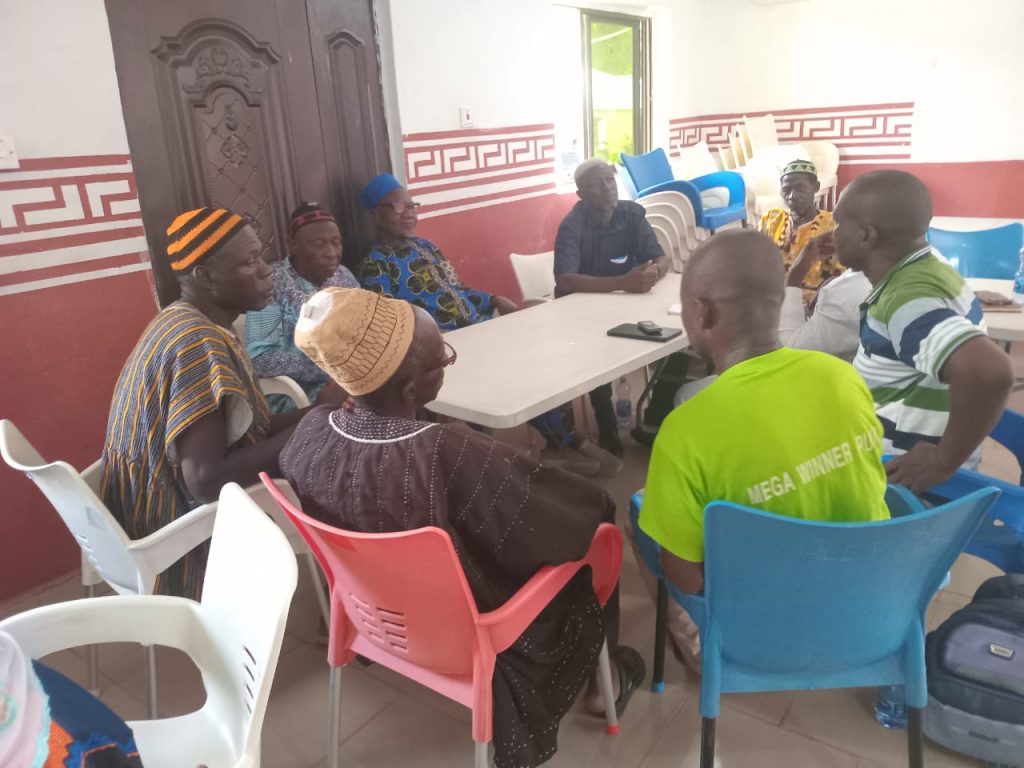
Prof. Marfo warned that violence does not discriminate, noting that once conflict erupts, it affects everyone regardless of their religion or background. Drawing lessons from neighbouring Nigeria, he said communities must work together to prevent violence before it starts.
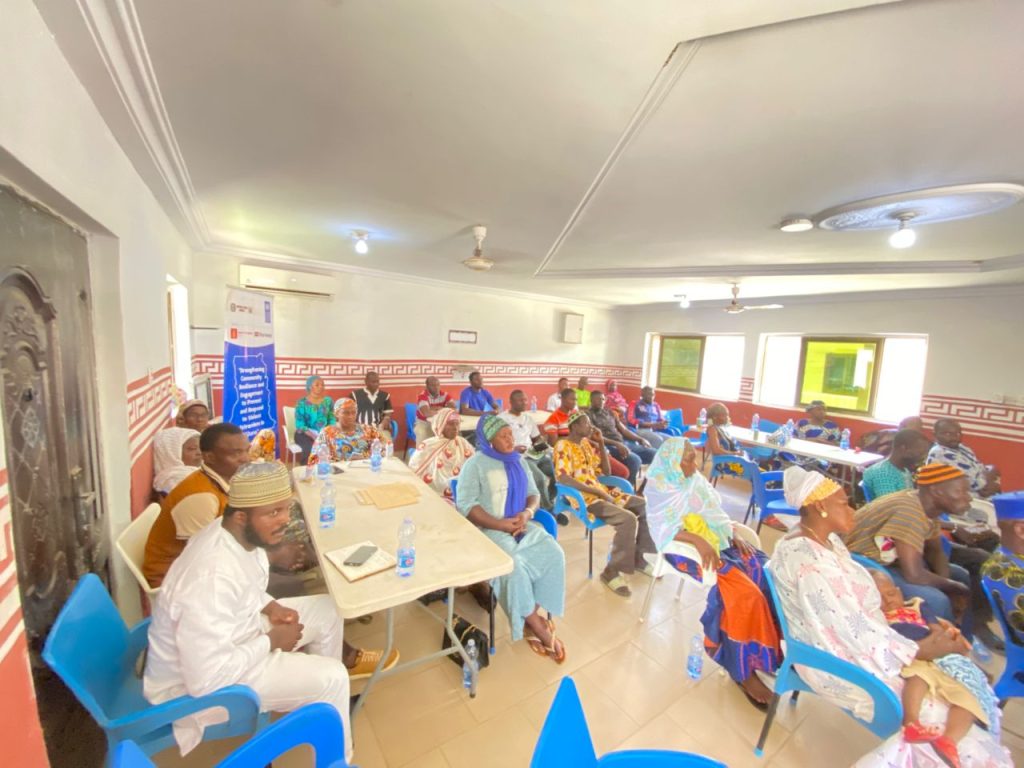
“Our common enemy is not one another,” he told participants. “Our common enemy is violence, and the only way to defeat it is by standing together in peace and unity.”
The programme forms part of the National Peace Council’s ongoing efforts to strengthen social cohesion and promote interfaith collaboration across the Upper West Region.
By Zulfa Lawie