

Ghana’s Next Generation of Watchdogs Trained in Anti-Corruption Reporting
Investigative journalism is the ultimate check on power, yet it remains an exclusive domain.This exclusion has a direct cost: the millions lost to corruption that could otherwise fund schools, hospitals, or roads. The Media Foundation for West Africa (MFA) is now working to change this narrative because taxes collected and loans contracted by the government, are on citizens behalf.
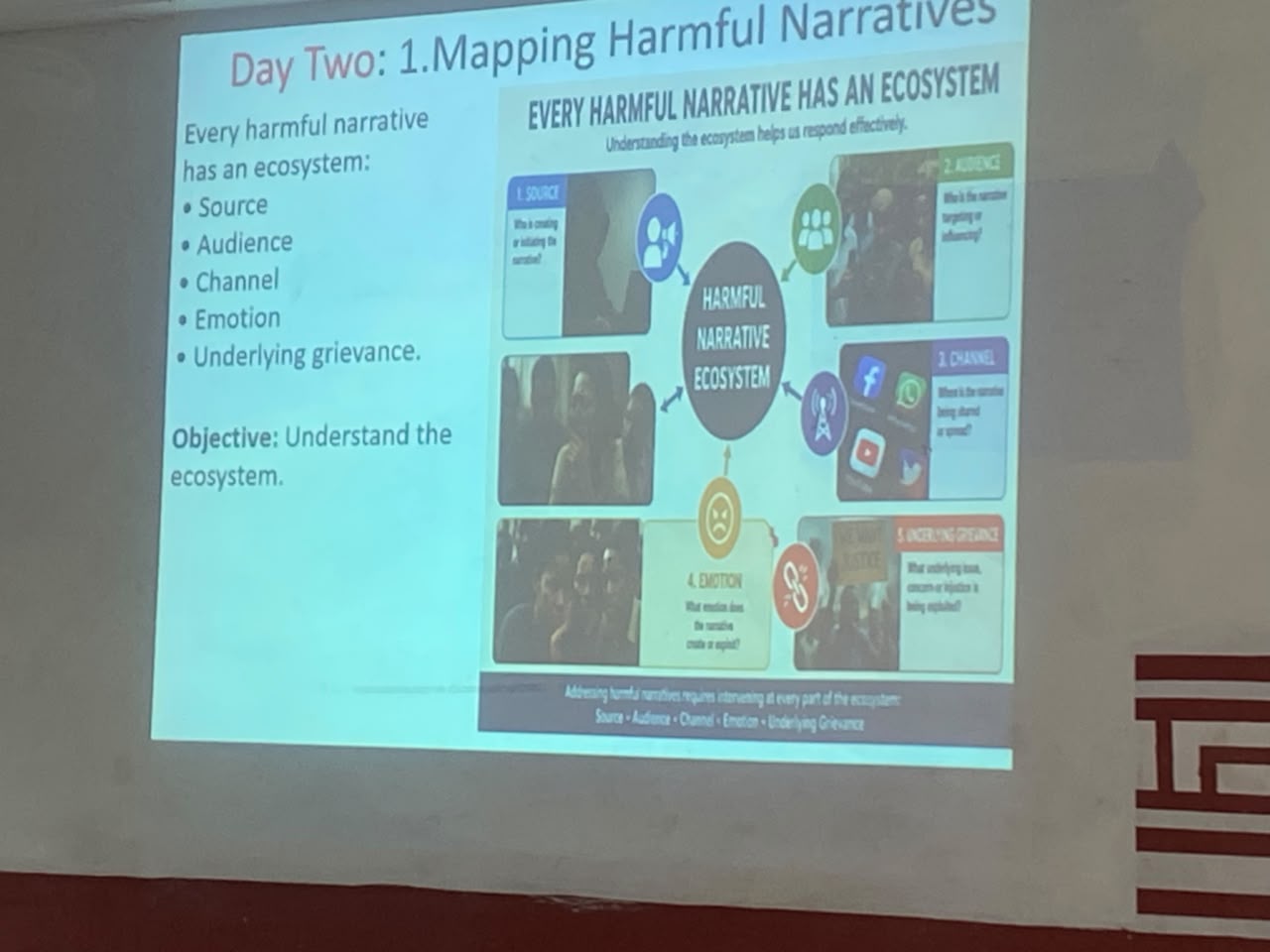
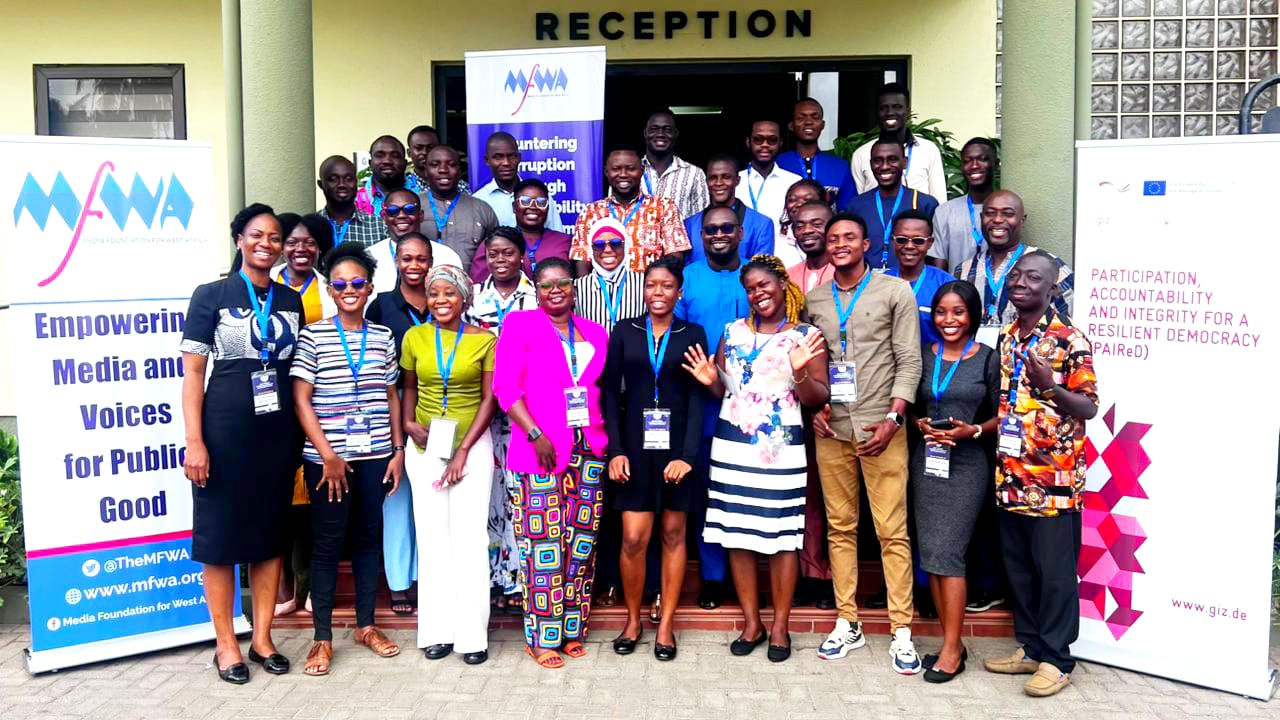
During an intensive three-day training session held in Accra, 30 journalists from various regions, including the North, middle belt, and Southern sector, were brought together to receive training in investigative journalism and anti-corruption reporting. The training aimed to equip journalists with practical skills to report on corruption and understand its various dimensions, thereby helping to prevent or expose corruption in Ghana. The participants were educated not just on the corruption and anti-corruption landscape in Ghana, but on practical skills like tracing the misuse of state resources through public accounts and navigating the complex legal and institutional frameworks for combating corruption.
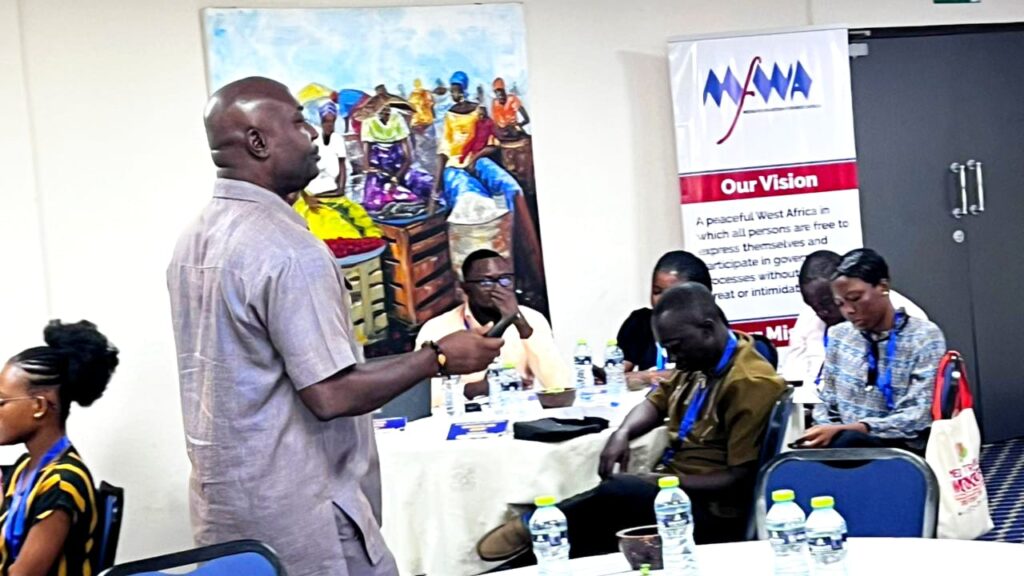
Esteemed investigators and anti-corruption activists, such as Mr. Michael K. Boadi from Transparency International Ghana stressed, ”These journalists are the first line of defense. Equipping them with these tools means fewer stolen cedi and better governance for Ghana.”, Mr. William Nyarko, Executive Director of the Africa Centre for International Law and Accountability (ACILA), and Seth Bopke, Associate Editor for The Fourth Estate, contributed their expertise to the training.
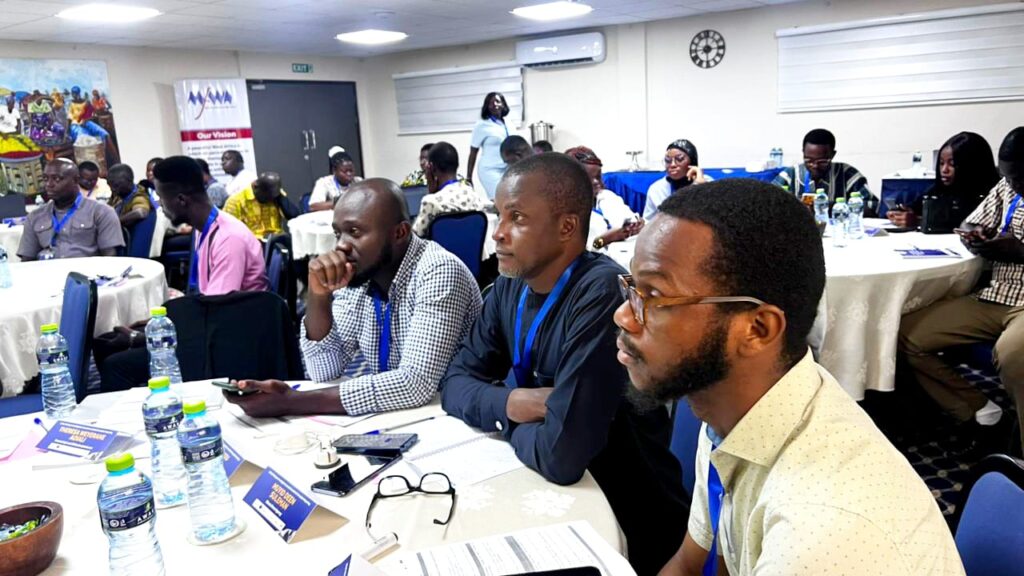
At the conclusion of the initial training session, participants presented their story ideas. The same group of 30 journalists will return for a second training session in October, focusing on the Right to Information Act (RTI) and its application. The series of three training sessions will conclude in November, with the final session covering data journalism and fact-checking. Participants expressed satisfaction with the initial training and expressed eagerness to gain further knowledge in the subsequent sessions on RTI and data journalism.
Mr. Alidu Isaiah, a journalist from the Northern region working with Zaa Multimedia Group, described the training as enlightening, stating, “I came to learn and unlearn many things from the training. I now have a clear path for following up on the local government contracts that affect my community”. Similarly, Mr. Abdul-Razak from Yagbon Radio in Bole expressed enthusiasm about the knowledge he gained and committed to attending future sessions to enhance his reporting skills for local media. He remarked, “Anytime I hear the Media Foundation for West Africa organizing any training, I try to be part because they are credible.”
This initiative, led by the Media Foundation for West Africa (MFWA) and funded by the German Development Cooperation, is part of the Participation, Accountability, Integrity for a Resilient Democracy (PAIReD) program. This program is commissioned by the German Federal Ministry for Economic Cooperation and Development (BMZ), co-financed by the European Union and the Swiss State Secretariat for Economic Affairs (SECO), and implemented by GIZ in collaboration with the Ministry of Finance.
By Bashiru Nuhu Bapagu