


A Jewel of Nigerian Culture: The National Theatre
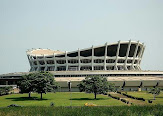
The National Theatre of Nigeria, a prominent cultural landmark in Lagos, has been a beacon of artistic expression and a symbol of Nigerian cultural heritage since its completion in the yaer 1976. As a primary center for the performing arts, the theatre has played a crucial role in promoting and preserving Nigerian culture, hosting numerous theatrical productions, musical performances, dance recitals, film screenings, and art exhibitions, business conferences and many more.
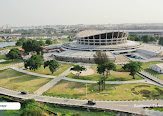
Designed by Bulgarian architects, the National Theatre’s distinctive design has become an iconic representation of Nigerian culture. The theatre’s main hall, with its state-of-the-art sound and lighting systems, has been a hub for artistic innovation and experimentation.
Despite facing challenges related to maintenance and funding, the National Theatre has undergone significant revitalization efforts in recent years. The Nigerian government, in partnership with private sector organizations, has initiated several projects to restore the theatre to its former glory. These initiatives include infrastructure upgrades, technology enhancements, programming initiatives, and outreach programs.
The National Theatre’s revitalization is not only essential for preserving Nigerian cultural heritage but also has the potential to contribute significantly to the country’s economic and social development. As a leading cultural institution in Africa, the National Theatre plays a vital role in promoting artistic collaboration, innovation, and experimentation not only in Nigeria but Africa as a whole.
As the National Theatre continues to expand and grow, it is essential to recognize its rich history and cultural significance. By doing so, we can ensure that this iconic landmark remains a vibrant and dynamic institution, promoting Nigerian culture and arts for generations to come.
Programs and Events at the National Theatre
The National Theatre has hosted a wide range of programs and events over the years, including:
- The Lagos Black Heritage Festival, which celebrates African culture and heritage
- The National Theatre Festival, which showcases the best of Nigerian theatre
- The Lagos International Jazz Festival, which features performances by local and international jazz musicians
- The Nigerian Film Festival, which showcases the best of Nigerian cinema
- The National Dance Festival, which celebrates Nigerian dance and music
These programs and events have helped to establish the National Theatre as a leading cultural institution in Africa, and have provided a platform for Nigerian artists to showcase their talents and connect with audiences.
The Impact of the National Theatre on Nigerian Culture
The National Theatre has had a significant impact on Nigerian culture, providing a platform for artists to showcase their talents and connect with audiences. The theatre has hosted numerous productions that have helped to promote Nigerian culture and arts, both locally and internationally.
In addition, the National Theatre has played a significant role in promoting cultural exchange and collaboration between Nigeria and other countries. The theatre has hosted numerous international productions and has provided a platform for Nigerian artists to showcase their work internationally.
Challenges facing the National Theater
Here are some of the challenges facing the National Theatre of Nigeria:
1. Infrastructure Decay: The theatre’s infrastructure has deteriorated over the years, requiring significant investment to upgrade and maintain.
2. Funding Constraints: The National Theatre has faced significant funding challenges, which have impacted its ability to host productions and maintain its facilities.
3. Lack of Government Support: The theatre has historically received limited support from the government, which has made it difficult for the institution to thrive.
4. Competition from Other Entertainment Venues: The National Theatre faces competition from other entertainment venues in Lagos, including cinemas, concert halls, and nightclubs.
5. Brain Drain: Many Nigerian artists and performers have left the country in search of better opportunities, which has depleted the talent pool available to the National Theatre.
In recent years, the National Theatre has had issues with maintenance and funding. However, efforts have been made to rehabilitate the facility and return it to its previous splendor. With increased attention and funding, Nigeria’s National Theatre has the potential to become a thriving cultural hub and a source of national pride as well as beacon of hope for the Nigeria arts and culture
The Way Forward
The National Theatre’s revitalization is a testament to the power of collaboration and investment in the arts. As the theatre continues to grow and evolve, it is essential to prioritize sustainability, community engagement, and artistic innovation. By doing so, the National Theatre can remain a beacon of cultural excellence, promoting Nigerian arts and culture for years to come globally.
In order to achieve this, the Government and all stakeholders must continue to invest in the infrastructure and technology of the National theatre. This includes upgrading its sound and lighting systems, as well as investing in digital technology to enhance the audience experience.
Furthermore, the National Theatre must prioritize community engagement and outreach. This includes developing programs and initiatives that promote cultural awareness and appreciation, as well as providing opportunities for local artists to showcase their work.
Conclusion
The National Theatre of Nigeria is a cultural icon that deserves to be celebrated and preserved. Its revitalization is a testament to the power of arts and culture to transform societies and promote economic development. As we look to the future, it is essential to recognize the National Theatre’s significance and work towards ensuring its continued growth and success.
By prioritizing sustainability, community engagement, and artistic innovation, the National Theatre can remain a vibrant and dynamic institution, promoting Nigerian culture and arts for generations to come. As a leading cultural institution in Africa, the National Theatre has the potential to play a significant role in promoting cultural exchange and collaboration between Nigeria and other countries.
The National Theatre, designed by Bulgarian architects, has become a symbol of Nigeria’s cultural legacy, with its remarkable military hat-like style. Its imposing front and spacious interior house a variety of performing spaces, including a 5,000-seat main hall, cinema halls, exhibition spaces, and rehearsal studios.The theater serves as a monument to the African culture
As a hub of artistic expression, the theater Over the years, has been instrumental in promoting and maintaining Nigerian culture. It has housed a number of theater productions, musical performances, dance recitals, film screenings, and art shows just to mention a few. The theatre has also provided a venue for both young and experienced artists to showcase their talents and engage with audiences.